













Extensive research into global health risks suggests that dietary choices are the primary driver of premature death worldwide. While tobacco use remains a significant concern, claiming approximately eight million lives annually, poor nutrition is responsible for an even higher number of fatalities. Among the most critical dietary shortcomings associated with increased mortality are the insufficient intake of fruits, whole grains, and vegetables, alongside excessive salt consumption and a lack of nuts and seeds in the daily diet.
The Biological Benefits of Nut Consumption
The protective effects of nuts are well-documented through clinical trials. Regular nut consumption has been shown to enhance arterial function, which is vital given that cardiovascular diseases remain a leading cause of death. Beyond heart health, nuts contribute to better glycemic control, lower cholesterol levels, and a reduction in systemic inflammation and oxidative stress. Furthermore, they serve as a functional food source for beneficial gut bacteria, supporting a healthy microbiome.
Nuts versus Peanut Butter: A Mortality Comparison
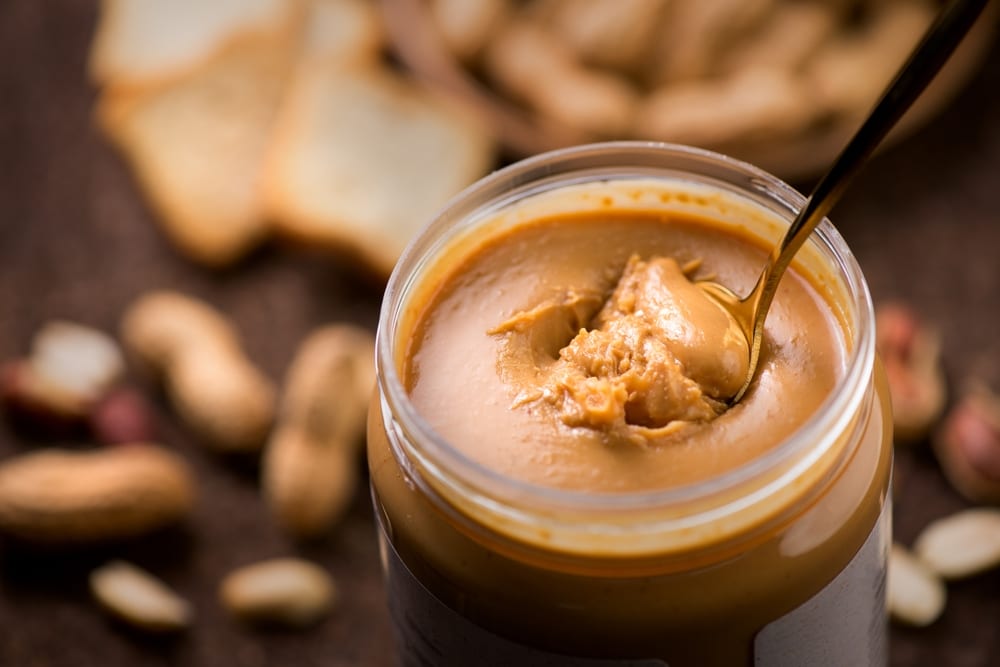
In the United States, about half of all peanut intake occurs in the form of peanut butter. However, data suggests that the life-extending benefits associated with whole nuts do not necessarily carry over to the processed spread. In the NIH-AARP Diet and Health Study—one of the largest investigations into human nutrition—researchers tracked over half a million participants for decades. They found a consistent link between nut consumption and a lower risk of death from cancer, respiratory issues, heart disease, and infections. Notably, this association was absent for those who primarily consumed peanut butter.
Why Peanut Butter May Not Offer the Same Longevity Benefits
Identifying why peanut butter lacks the same protective qualities as whole nuts is a complex task. While peanut butter enthusiasts in the study were more likely to smoke or exercise less, the researchers adjusted for these lifestyle factors, as well as for the intake of alcohol, fruits, and vegetables. One possibility is the addition of ingredients during processing, such as salt, sugar, or oils containing trans fats. However, even when comparing whole peanuts to peanut butter, the whole legume showed mortality benefits that the spread did not.
The Importance of Physical Structure and Gut Health
The most compelling theory regarding this discrepancy involves the physical structure of the food. When nuts are eaten whole or in pieces, the human digestive system cannot fully break down every cell. This means a portion of the nutrients remain encapsulated in tiny particles that reach the large intestine intact. These particles then serve as prebiotics, nourishing the gut flora. In contrast, the intensive grinding process used to create smooth nut butters destroys these cellular structures, potentially altering how the body metabolizes the fats and how the microbiome interacts with the food. This suggests that the degree of processing plays a significant role in the health outcomes of the food.
Summary of Healthy Nut Intake
To optimize health and support longevity, current evidence favors the consumption of whole or chopped nuts over processed butters. Incorporating nuts—particularly raw, unsalted varieties—into the diet at least three times a week appears to be a highly effective strategy for reducing the risk of chronic disease and improving overall wellness. While nut butters may still offer some nutritional value, they do not seem to provide the same robust defense against all-cause mortality as their whole-food counterparts.