




















While global investment in advanced chemotherapy continues to reach billions of dollars, the incidence of cancer is projected to climb by approximately 70% over the next two decades. A significant factor in this trend is the medical tendency to treat the symptoms of the disease—much like mopping up a floor—rather than addressing the underlying causes, or “turning off the faucet.” While pharmacological prevention is often impractical due to high costs and potential side effects, substantial evidence suggests that bioactive compounds found in whole plant foods offer powerful chemopreventive and anticancer benefits.
The Role of Nutrition in Managing Cancer Hallmarks
Research into the biological hallmarks of cancer suggests that dietary choices can significantly influence disease progression. A diet characterized by minimal animal product consumption and a high intake of diverse plant foods appears to be the most protective. Specifically, foods such as berries, cruciferous and leafy green vegetables, various legumes, flaxseeds, and aromatic ingredients like garlic and onions have shown promise. Additionally, mushrooms, turmeric, and green tea provide unique phytochemicals that support the body’s natural defenses against malignancy.
Reassessing the Efficacy of Conventional Chemotherapy
In many instances, conventional cancer drugs may fail to improve a patient’s quality of life or significantly extend their survival. This raises critical questions about the value of treatments that carry heavy financial and physical burdens without offering clear clinical benefits. Some advocates suggest that pharmaceutical interventions should be required to demonstrate at least a three-month extension of life to be considered effective. More importantly, there is a growing call for research to shift toward the processes that lead to 90% of cancer-related deaths: metastasis. Shinking a primary tumor offers little long-term benefit if the cancer is simultaneously spreading to other vital organs.
Targeting Metastasis Through Phytochemicals
Metastasis is the process by which cancer cells travel from their original site to colonize other parts of the body. Laboratory studies have indicated that certain plant-based phytochemicals can interfere with nearly every stage of this “invasion-metastasis cascade.” By inhibiting the signaling pathways that allow cancer to spread, these natural compounds provide a potential avenue for controlling the most lethal aspect of the disease.
The Importance of Matrix Metalloproteinase (MMP) Inhibition
A key mechanism in the spread of cancer involves enzymes known as matrix metalloproteinases (MMPs). These enzymes act as biological “tunnels,” allowing cancer cells to break through surrounding tissues and enter the bloodstream or lymphatic system. Once in circulation, MMPs help the cancer cells burrow into new tissue to establish secondary tumors. While the pharmaceutical industry attempted to develop synthetic MMP inhibitors, many of these drugs resulted in severe side effects during human trials, leading researchers to look toward dietary sources for safer alternatives.
Identifying the Most Potent Legumes for Cancer Defense
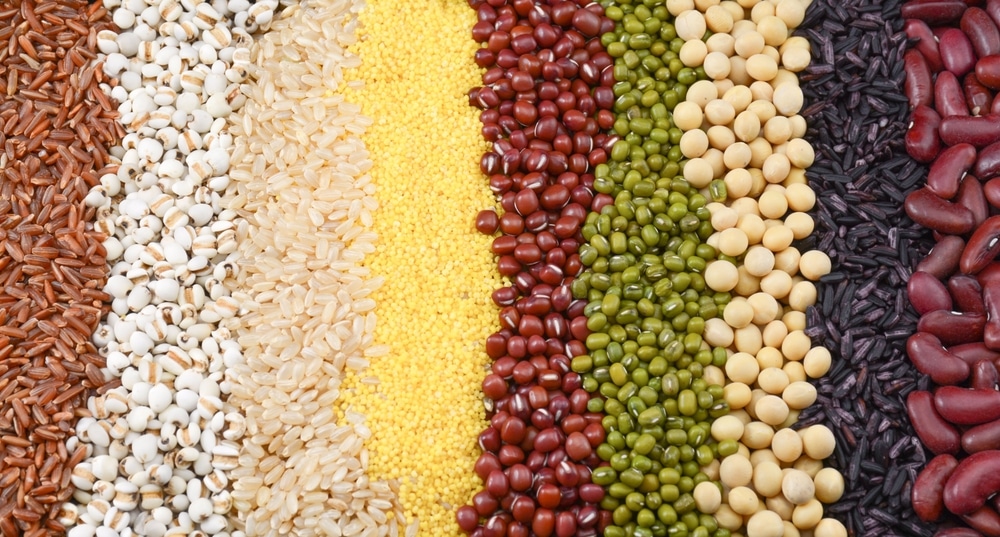
Legumes, including beans, peas, and lentils, contain specific proteins that naturally inhibit MMP activity. In a study comparing eight different types of legumes—including lupin beans, chickpeas, soybeans, lentils, fava beans, split peas, and common beans like pinto or kidney—researchers measured their ability to suppress these invasive enzymes. While split peas showed minimal impact, several others, such as lentils and fava beans, reduced enzyme activity by half. However, the most significant results were found in lupin beans, chickpeas, and soybeans, which suppressed MMP activity by more than 90%.
Observing the Impact on Cancer Cell Migration
To determine if these findings translate to a real-world reduction in cancer spread, researchers conducted a “scratch test” using human colon cancer cells. In a controlled environment, a gap was created in a layer of cancer cells to observe how quickly they would migrate and fill the space. Under normal conditions, the cancer cells rapidly closed the gap within 48 hours. However, when treated with proteins extracted from chickpeas, soybeans, or lupin beans, the cancer cells’ ability to migrate was significantly hindered, demonstrating a clear inhibitory effect on the cells’ invasive potential.
Summary of Dietary Insights for Cancer Prevention
The primary challenge in cancer treatment remains the prevention of metastasis, the leading cause of mortality. While synthetic drugs have struggled to target the enzymes responsible for cancer invasion without causing toxicity, common legumes offer a natural alternative. Incorporating chickpeas, soybeans, and lupin beans into the diet may provide the body with potent bioactive proteins capable of neutralizing the enzymes cancer uses to spread. Choosing a diet rich in these and other whole plant foods represents a proactive, evidence-based strategy for reducing the risk of cancer progression and supporting overall longevity.
Research into the health benefits of legumes often utilizes raw beans in laboratory settings, which raises a practical question: do the protective proteins survive the heat of a kitchen? Evidence suggests that they do. Specifically, studies have shown that matrix metalloproteinase (MMP) inhibitors found in soybeans remain functional even after being cooked, ensuring that their health-promoting properties are not lost during meal preparation.
The Protective Link Between Legumes and Colon Health
This resilience to heat may be a key reason why consuming legumes is associated with a decreased risk of colorectal cancer. Because colon cancer begins in the internal lining of the large intestine, it is uniquely positioned to interact with these beneficial bean proteins. These compounds can potentially exert their protective effects directly on the colon’s surface before any further processing occurs within the body.
Understanding Matrix Metalloproteinases and Systemic Inflammation
Individuals who follow a plant-based or vegetarian lifestyle tend to have significantly lower concentrations of matrix metalloproteinases in their bodies. This reduction is primarily linked to lower overall levels of inflammation, a trend also observed in non-smokers. Maintaining lower levels of these enzymes is beneficial because they serve as more than just markers for cancer; they are also implicated in the progression of autoimmune disorders and various forms of cardiovascular disease.
How Dietary Choices Impact Heart Health and Disease Prevention
Matrix metalloproteinases are often described as having a “machete-like” effect on tissues. In the context of heart disease, these enzymes can degrade the structural integrity of inflamed, cholesterol-rich plaques that line the arteries. If these plaques are weakened and rupture, it can lead to serious cardiovascular events. While it is well-known that plant-centered diets support heart health, the significant reduction in cancer risk—especially among those following strict plant-based diets—highlights the broad-spectrum protection offered by these foods.
Conclusion: The Long-Term Benefits of Plant-Based Nutrition
The consistent consumption of legumes and other whole plant foods provides a powerful defense against chronic illness. By delivering heat-stable enzyme inhibitors and reducing systemic inflammation, these foods help stabilize arterial health and lower the risk of cancer development. Adopting a diet rich in these nutrients is a proactive strategy for addressing the underlying biological mechanisms that lead to disease, ultimately supporting both cardiovascular longevity and oncology prevention.