



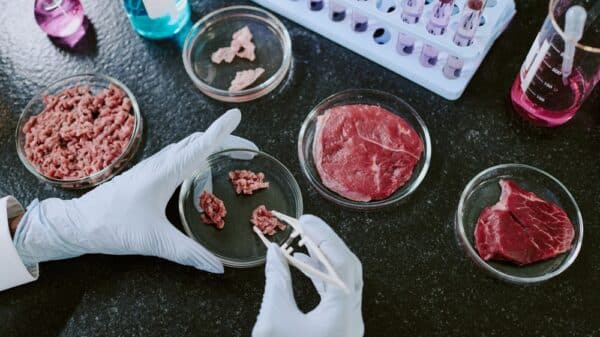

















In 2018, the International Agency for Research on Cancer (IARC), a specialized branch of the World Health Organization, released a landmark report regarding the consumption of processed meats. The agency officially classified items such as bacon, sausage, hot dogs, and deli meats as Group 1 carcinogens. This classification places these foods in the same evidentiary category as tobacco and asbestos, prompting public health officials to recommend a significant reduction in meat consumption to protect long-term health. While the classification sparked debate—with some critics questioning the comparison of breakfast meats to industrial toxins—it is essential to understand what these categories actually represent.
Understanding Carcinogenic Classifications and Levels of Danger
It is a common misconception that all substances in Group 1 pose the same degree of danger. In scientific terms, these classifications reflect the strength of the evidence proving that a substance causes cancer, rather than the level of risk associated with exposure. For example, while both plutonium and pastrami are listed as Group 1 carcinogens, the physiological threat they pose differs significantly. The core finding of the IARC report was a clear link between processed meat and colorectal cancer, showing that the risk increases by approximately 18% for every 50 grams consumed daily.
Quantifying Daily Intake and Colorectal Cancer Risk
To put a 50-gram serving into perspective, it is equivalent to eating a single hot dog, two breakfast sausage links, or two slices of ham. Consuming this amount daily is associated with an 18% increase in the relative risk of developing colorectal cancer. For those consuming larger portions—such as a substantial deli sandwich—the relative risk can climb much higher, potentially reaching 80%. Colorectal cancer currently stands as the second leading cause of cancer-related mortality in the United States for both men and women. For non-smokers, it represents one of the most significant health threats, yet it is a condition where risk can be mitigated through simple dietary adjustments.
Distinguishing Between Relative and Absolute Risk
When discussing an “18% increase,” it is helpful to look at absolute risk to understand the personal impact. Given that the average lifetime risk of developing colorectal cancer is roughly 5% (or 1 in 20), an 18% increase in relative risk moves that absolute risk from 5% to 6%. While a 1% shift might seem small on an individual basis, the impact on a population level is massive. In the United States, reducing processed meat intake by just one serving a day could prevent an estimated 25,000 cases of colorectal cancer annually. Swapping a daily ham sandwich for a plant-based alternative like hummus can lead to tens of thousands of fewer families facing a difficult diagnosis each year.
Comparing Dietary Risks to Environmental Toxins
The comparison between processed meat and tobacco often draws skepticism, but the data suggests the risks are more comparable than many realize. For instance, the Surgeon General has noted that living in a household with a smoker increases a non-smoker’s lung cancer risk by approximately 15%. In this context, the 18% increased risk of colorectal cancer from daily processed meat consumption is statistically similar to the risks associated with secondhand smoke. While industry proponents often argue that the convenience of processed foods should be weighed against these risks, the health data points toward a substantial cumulative impact on public wellness.
The Broader Health Impact of Processed Meat
The health consequences of a diet high in processed meat extend far beyond oncology. While the IARC focus was primarily on colorectal cancer, broader studies like the Global Burden of Disease indicate that processed meat consumption is also linked to other major health crises. While approximately 37,000 annual deaths are attributed specifically to colorectal cancer caused by these meats, the numbers grow significantly when accounting for other conditions. When including the deaths related to type 2 diabetes and cardiovascular disease, the total number of deaths attributable to high processed meat intake may approach half a million annually. Furthermore, emerging research suggests potential links between these foods and increased risks for pancreatic, prostate, and breast cancers.
Challenges in Public Health Policy and Consumer Behavior
Despite the scientific consensus regarding the carcinogenic nature of processed meats, consumer habits in the United States have remained largely unchanged over the past two decades. Part of this may stem from a lack of clear communication in national health guidelines. Recent Dietary Guidelines for Americans have stopped short of explicitly labeling processed meat as a carcinogen, despite recommendations from scientific committees to include more transparent, science-based language. This lack of clear signaling may also explain why even patients diagnosed with colorectal cancer often struggle to make significant lifestyle or dietary changes following their diagnosis.
Summary of Key Health Takeaways
The evidence linking processed meats to colorectal cancer is robust, leading to its classification as a known human carcinogen. While the absolute increase in risk for an individual may appear modest, the population-wide effects are profound, contributing to thousands of preventable cancer cases and hundreds of thousands of deaths from related metabolic and heart diseases. Reducing or eliminating the daily intake of foods like bacon, deli meats, and sausages serves as a powerful tool for cancer prevention and overall longevity. Adopting a diet centered on whole, unprocessed foods remains one of the most effective ways to lower the risk of the world’s most common chronic illnesses.
A significant gap exists in the standard of care for oncology patients regarding dietary education. Research indicates that approximately 70% of individuals diagnosed with cancer do not receive nutritional guidance from their medical providers throughout the duration of their treatment or during the recovery phase. This lack of communication highlights a missed opportunity in clinical settings to address the role of diet in long-term health and wellness.
Scientific Perspectives on the Meat Industry and Public Health
Public health experts have emphasized the need for continued scrutiny regarding meat consumption and its links to chronic disease. Scientific journals have noted that the meat industry often employs tactics similar to those used historically by the tobacco industry to complicate public understanding of health risks. However, some legislative bodies are taking proactive measures to address these concerns. For instance, New York City has implemented policies to ban processed meats from school meal programs, focusing on the removal of known carcinogens from the diets of school-aged children.
Industry Strategies for Mitigating Health Risks in Processed Foods
Rather than removing high-risk products from the market, the processed meat industry has explored ways to reformulate items to improve their health profile. This approach is comparable to certain practices in the pharmaceutical industry, where additional treatments are prescribed to counteract the adverse effects of a primary medication. One example involves the potential addition of dietary fiber to products like hot dogs. The goal of this reformulation is to alter the way the food is processed in the body, theoretically reducing the associated cancer risk without necessitating a total ban on the product.
Summary: Bridging the Gap in Nutritional Healthcare
The intersection of dietary policy and clinical practice remains a critical area for improving patient outcomes. While industry efforts to modify the composition of processed meats represent one approach to risk management, the necessity for clear nutritional advocacy remains paramount. By prioritizing dietary education in medical settings and supporting legislative actions that limit exposure to carcinogens, the healthcare community can better support patients in their journey toward recovery and disease prevention.