














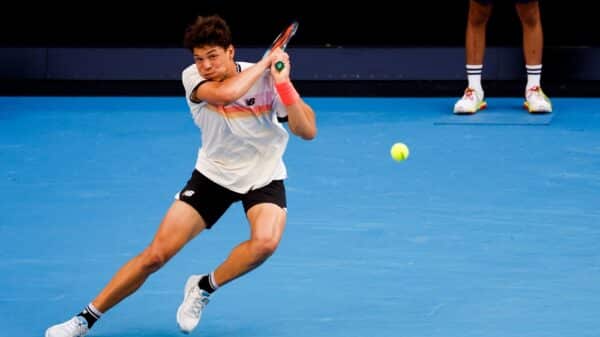


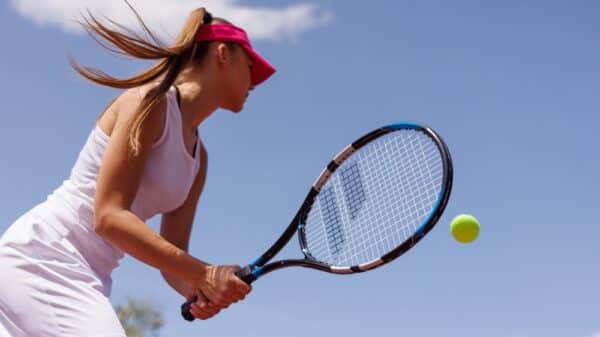

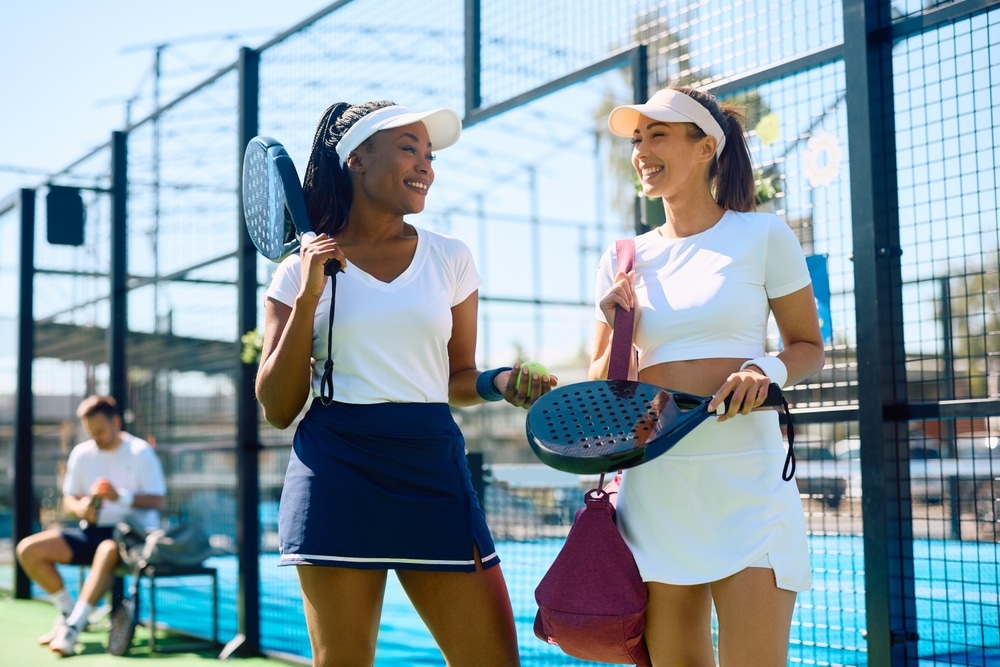
The landscape of recreational racket sports is shifting, with padel emerging as a sophisticated successor to the pickleball craze. While pickleball features a smaller court and specific “no-volley” rules, padel offers a different experience: players compete in pairs on a larger court enclosed by high glass walls. The equipment is distinct as well, utilizing thick, perforated rackets that produce a resonant “thwack” upon contact with a tennis ball. Unlike other sports where boundaries strictly end the play, padel encourages athletes to use the surrounding glass to their tactical advantage.
Recent data suggests a significant pivot in player interest. While pickleball saw an explosive surge between 2021 and 2022—capturing over 36.5 million participants—search interest for the sport has recently dipped by nearly 10 percent. In contrast, padel reached peak interest in 2025, with Google Trends predicting a 30 percent rise in localized searches for padel facilities. This shift indicates that players are looking for a more dynamic, social, and visually engaging alternative to traditional court games.
Insights From a First-Time Padel Experience
Even for those who do not consider themselves naturally athletic, padel offers a welcoming environment. The sport is designed with a low barrier to entry, meaning beginners can enjoy a game almost immediately, regardless of their previous experience with racket sports. During an initial lesson, the heavier racket and the physical feedback of the ball hitting the dense surface provide an immediate sense of power. While there may be a learning curve in terms of timing, the ability to use the glass walls to play rebounds makes the game feel less restrictive and more fluid than tennis.
The growth of padel is also fueled by its aesthetic and social nature. Because rallies are often long and the glass-enclosed courts are visually striking, the sport has gained significant traction on social media. Hospitality leaders are noticing this trend, integrating padel courts into luxury amenities to foster community and ritual among guests. Whether playing at a high-end hotel or a urban rooftop court, the experience remains centered on connection. The structure of the game allows for plenty of social interaction, offering a balance between physical exertion and the opportunity to engage with other players during downtime.
Essential Lessons and the Future of the Sport
Padel represents a natural progression for those who enjoyed the social aspects of pickleball but crave a more robust physical challenge. It prioritizes strength and strategic movement over the strict precision required by some other racket sports. The gameplay is straightforward enough for casual groups to pick up quickly, yet it offers enough depth to satisfy those with a competitive edge. The combination of high-energy rallies and a built-in social format makes it a highly effective way to stay active while building a community.
For anyone curious about the “racket sport throne,” the best approach is to gather a group of friends and secure a court. While the glass walls may appear intimidating at first, they quickly become an essential part of the fun. As more facilities open and the community grows, padel is proving to be more than just a passing trend; it is a dynamic evolution of how we move and socialize today.
Summary of Padel’s Rising Popularity
The transition from pickleball to padel highlights a growing desire for sports that blend accessibility with a higher level of strategy and social engagement. By utilizing unique equipment and a specialized court design that incorporates glass walls, padel offers a fresh, athletic experience that resonates with a modern audience. As search trends continue to favor this sport, it is clear that padel’s combination of power, community, and visual appeal has secured its place as a staple in the world of fitness and recreation.