















For a long time, the barbell squat has been regarded as the definitive exercise for lower-body development. It is common to hear seasoned gym-goers claim that significant leg growth is impossible without this specific movement. However, this perspective overlooks the reality that the squat is not a one-size-fits-all solution. For many beginners, jumping straight into heavy squats can be an inefficient and potentially risky way to train because the exercise requires a unique combination of technical skill, mobility, and specific anatomical proportions.
Understanding How Individual Biomechanics Impact Squat Performance
In the fitness world, certain lifts are often presented as mandatory. However, human anatomy varies significantly between individuals. Research into hip joint structure, the length of the femur, and ankle flexibility confirms that not everyone is built to perform a traditional barbell squat effectively. While some people have the perfect leverage for the movement, others find themselves fighting against their own skeletal structure.
Consider two athletes of the same height. One may have relatively short femurs and high ankle mobility, allowing them to remain upright and stable throughout the movement. The other may have long femurs and limited ankle range of motion, which naturally forces the torso to lean forward. In the latter case, the lower back often takes over the workload, shifting the stress away from the legs and onto the spine. For a beginner, this mechanical disadvantage can lead to injury rather than muscle growth.
Comparing the Safety and Muscle-Building Benefits of the Leg Press
The free-weight squat is a complex movement that demands coordination, balance, and core stability. Because it is difficult to spot safely during a heavy set, a single technical error or a loss of spinal alignment can result in long-term back issues. Unlike muscle soreness in the quads, lower back injuries can take months to heal and significantly stall progress.
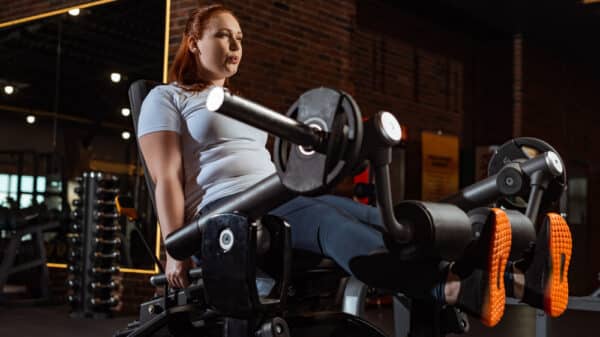
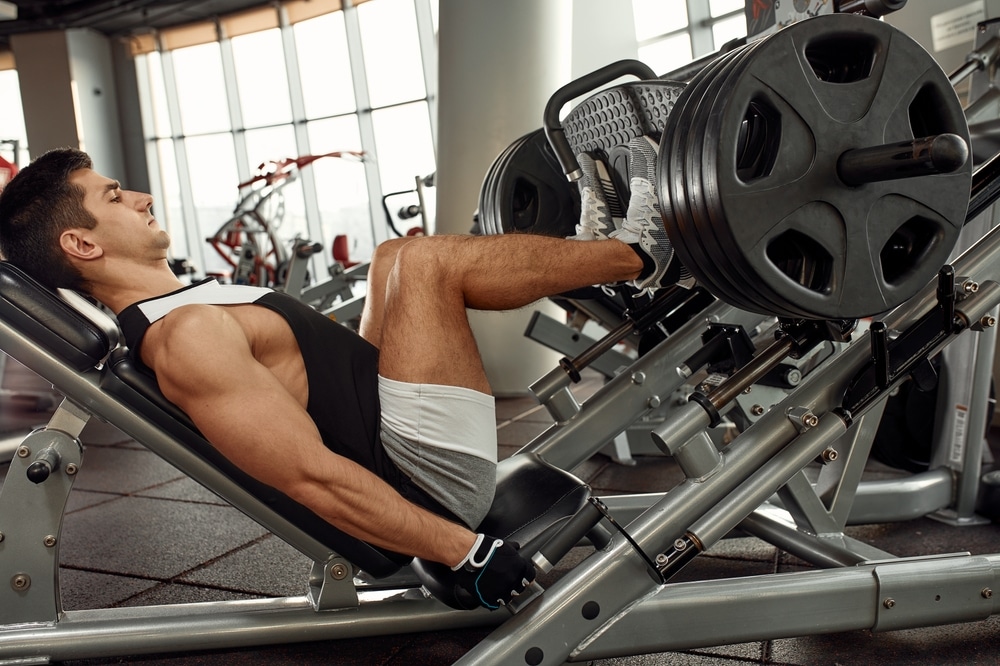
The leg press offers a much more controlled environment for a novice lifter. Because the back is supported and the movement follows a fixed track, the need for balance and spinal stabilization is removed. This allows the lifter to focus entirely on overloading the quadriceps, hamstrings, and glutes. For those just starting out, the leg press provides a way to build significant strength and muscle mass without the steep learning curve and orthopedic risks associated with the barbell squat.
Why Machine-Based Training is Often Better for New Lifters
It is entirely possible to achieve exceptional leg development without ever using a barbell for squats. Many successful lifters have relied on machines to build their foundation because their body structure did not favor the traditional squatting motion. While squats are excellent for developing overall athleticism and coordination, beginners should focus on building a baseline of strength before tackling such a demanding lift.
Using modern equipment like hack squats, pendulum squats, and belt squats allows for intense leg training while minimizing spinal load. If a beginner wants to eventually transition to free weights, starting with a Smith machine can be a helpful middle ground. The fixed bar path provides stability while the lifter learns to control their depth and build confidence in the movement pattern.
Essential Guidelines for Transitioning to Barbell Squats
For those who eventually choose to incorporate free-weight squats into their routine, safety must be the priority. This involves using a lifting belt for heavier sets to increase intra-abdominal pressure and maintaining a controlled tempo. It is vital to avoid “bouncing” at the bottom of the rep, as this can place unnecessary stress on the knee joints. Additionally, ego lifting should be avoided in favor of maintaining a neutral spine and a controlled eccentric phase.
It is also important to understand that “proper depth” is relative to your unique mobility. Forcing yourself into a deep squat when your joints aren’t ready for it can lead to chronic pain. Today’s gyms are equipped with advanced plate-loaded machines that replicate the benefits of squatting while significantly reducing the strain on the lower back. The most important question a beginner can ask is not whether they should squat, but which exercise is the safest and most productive for their specific body type.
Final Thoughts on Lower-Body Training Choices
The barbell squat can be a highly effective tool, but it is not a requirement for building strong, muscular legs. Choosing the right exercise depends on your individual anatomy and long-term health goals. If you can achieve world-class results using a leg press or other machine variations while protecting your joints and spine, that is often the smarter path to take. Prioritizing longevity and injury prevention will always yield better results than strictly adhering to traditional gym dogmas.