



















For over a century, fasting has been recognized not only as a tool to sharpen mental clarity but also as a potential method for extending a healthy lifespan. Modern science suggests that a hormone known as Fibroblast Growth Factor 21 (FGF21) may be the underlying mechanism behind these benefits. Defined as a “systemic enhancer of longevity,” FGF21 can be elevated through prolonged fasting. Fortunately, researchers have discovered that we can achieve similar hormonal boosts through more sustainable dietary choices, specifically by focusing on complex carbohydrates and moderating protein intake.
The Impact of Complex Carbohydrates and Fiber on Longevity Hormones
Increasing the intake of starchy foods has been shown to cause a significant rise in FGF21 levels. To maximize these benefits, the highest quality sources are whole grains and legumes. These foods are rich in dietary fiber, which serves as fuel for beneficial gut bacteria. When these microbes digest fiber, they produce a short-chain fatty acid called butyrate. Evidence suggests that butyrate acts as a secondary trigger for FGF21, reinforcing the link between gut health and metabolic longevity.
Optimizing Metabolism by Moderating Protein Intake
One of the most effective ways to dramatically increase circulating FGF21 is by reducing protein consumption to recommended levels. While the typical Western diet often includes an excessive amount of protein, bringing intake down to the Recommended Daily Allowance (RDA) can lead to a 150% increase in FGF21 within just four weeks. For example, while the RDA for most men is approximately 56 grams per day, many consume well over 100 grams. Studies have shown that when men reduced their intake from 112 grams to 64 grams—a level that is still well above the minimum requirement—their FGF21 levels essentially doubled.
This hormonal shift appears to have a profound effect on body composition. In clinical observations, participants who moderated their protein intake lost more body fat even while consuming more total calories. This suggests that FGF21 helps “reprogram” the metabolism, potentially allowing the body to burn through excess energy more efficiently by ramping up fat-burning processes.
The Role of Methionine Restriction in Disease Prevention
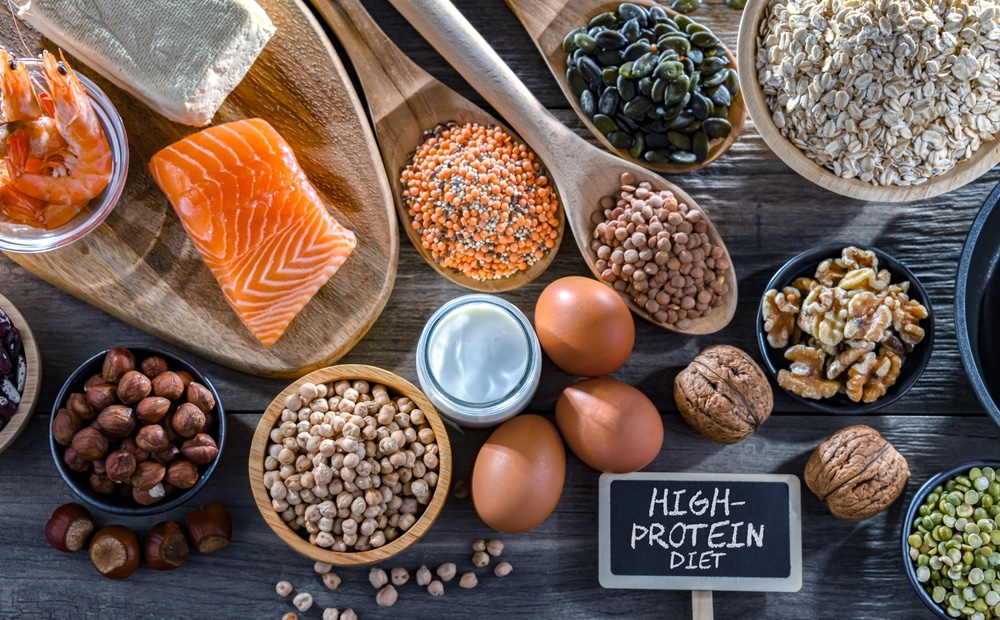
The specific types of amino acids we consume also play a role in hormonal health. Methionine, an amino acid found predominantly in animal-based proteins, is a key focus in cancer research and life-extension strategies. Restricting methionine is known to boost FGF21 significantly, acting as a primary driver of metabolic health. Because plant-based proteins like beans, chickpeas, and lentils contain about three times less methionine than meat, a plant-forward diet naturally facilitates this restriction. This aligns with the dietary patterns of the world’s longest-living populations, such as the Okinawans, who traditionally consumed only about 9% of their total calories from protein.
FGF21 as a Mediator of Long-Term Health
FGF21 is increasingly viewed as a vital mediator that protects the body against obesity, diabetes, autoimmune disorders, and various forms of cancer. This may explain why whole-food, plant-based diets produce such remarkable clinical results. For instance, research into cardiovascular health has demonstrated that a low-fat, plant-based diet can halt or even reverse heart disease. While cholesterol-lowering medications are effective at changing blood markers, they often fail to match the comprehensive life-saving benefits provided by dietary interventions. The natural stimulation of FGF21 through nutrition offers a holistic pathway to improving insulin sensitivity and heart health.
Final Thoughts on Enhancing Longevity Through Diet
In summary, while fasting and intense exercise are well-known ways to stimulate the longevity hormone FGF21, dietary composition is an equally powerful and more accessible tool. By prioritizing fiber-rich whole grains and legumes while moderating protein intake to meet rather than exceed daily requirements, individuals can naturally optimize their metabolic environment. Transitioning toward a plant-based nutritional profile not only restricts methionine but also leverages the power of gut-derived butyrate, providing a multi-faceted approach to disease prevention and a longer, healthier life.
Research into the clinical successes reported by Dr. Esselstyn suggests that the health advantages of a whole-food, plant-based diet stem from several protective biological processes. Among these, the hormone FGF21 (Fibroblast Growth Factor 21) is emerging as a significant factor. While traditional nutritional science often focuses on the benefits of reducing dietary cholesterol and saturated fat, the specific quality and total amount of protein consumed may also be essential in regulating these health-promoting pathways. Until recently, however, there was little direct evidence to confirm whether those following a vegan lifestyle actually maintained higher concentrations of this hormone.
The Influence of Plant-Based Eating on FGF21 Concentrations
To investigate the link between diet and hormone levels, researchers analyzed circulating FGF21 in both animal models and human subjects. The findings revealed a clear distinction: individuals following a vegan diet possessed markedly higher levels of FGF21 compared to those who consumed animal products. This suggests that the metabolic environment created by plant-centric nutrition may be more conducive to the production of this longevity-associated hormone.
Rapid Hormonal Shifts Following Dietary Changes
The impact of dietary choices on FGF21 appears to occur quite rapidly. In controlled studies, when individuals who normally eat meat were transitioned to a vegetarian diet, their FGF21 levels increased significantly in a very short timeframe. Specifically, researchers observed a 232% surge in these levels after just four days without meat. This indicates that the body can quickly adjust its hormonal profile in response to the removal of animal proteins, potentially activating metabolic benefits almost immediately.
Synergizing Nutrition and Longevity Strategies
While various fasting methods are frequently promoted for weight management, their effectiveness for anti-aging and overall health may be restricted if they are not paired with a nutrient-dense diet. For fasting or calorie-controlled protocols to be truly effective in promoting long-term health, they should be combined with high-nourishment eating patterns. Examples include the traditional diets of the Mediterranean or Okinawa, which emphasize a high intake of plant foods and a moderate, recommended level of protein. This approach ensures the body receives essential nutrients while avoiding the metabolic stress associated with excessive protein consumption.
Summary of Diet and Metabolic Health
The protective mechanisms of a whole-food, plant-based diet are multifaceted, with the elevation of FGF21 serving as a key component. By prioritizing plant-derived proteins and nutrient-dense foods, individuals can trigger significant hormonal improvements that support healthy aging and metabolic function. Even short-term shifts away from meat consumption can lead to substantial increases in beneficial biomarkers, highlighting the powerful role that food quality plays in long-term wellness.