

















Cottage cheese has transitioned from a dated diet food to a modern nutritional staple, fueled largely by a renewed interest in high-protein, convenient snacks. This dairy product has seen a massive resurgence in popularity, driven by social media trends and fitness enthusiasts looking for cost-effective ways to increase their protein intake. Whether you are following a specific metabolic health plan or simply trying to eat more whole foods, cottage cheese offers a unique combination of low sugar and high satiety that fits perfectly into a health-conscious lifestyle.
While it may have once been viewed as a relic of past dieting eras, the current demand is a testament to its genuine nutritional value. It is affordable, versatile, and packs a significant protein punch per serving. Before restocking your refrigerator, it is helpful to understand what makes this “lumpy” dairy product a functional powerhouse for your fitness and wellness goals.
Defining Cottage Cheese: The Science of the Curd
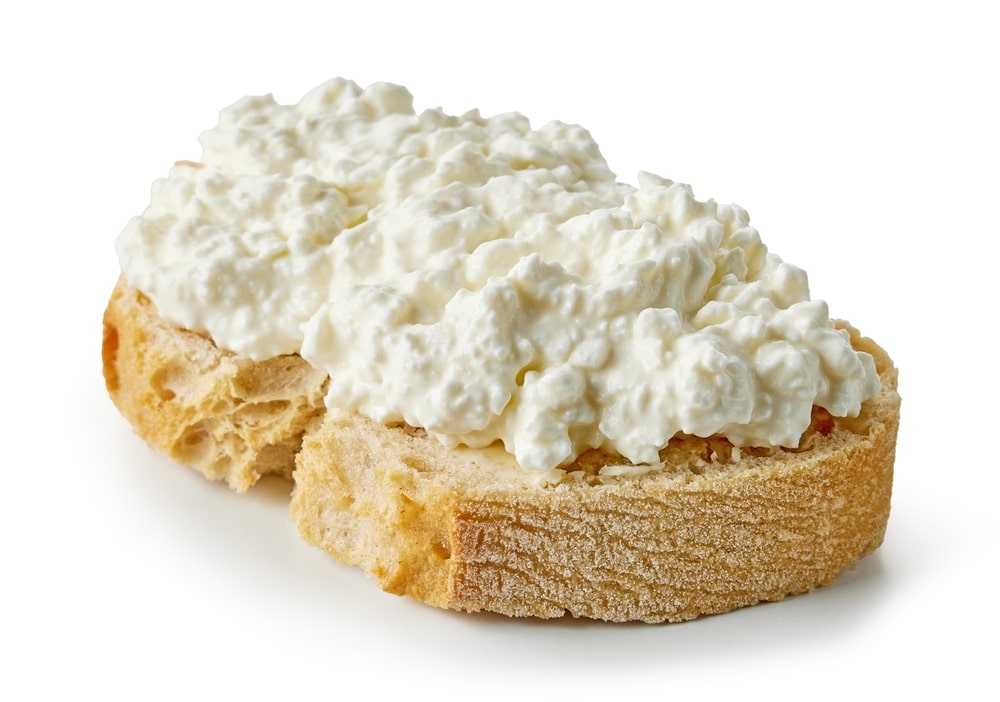
Cottage cheese is classified as a fresh cheese, meaning it does not undergo the aging or ripening processes required for varieties like cheddar or parmesan. The production process is relatively simple: an acid or a specific bacterial culture is added to milk, which triggers the separation of milk solids (curds) from the liquid whey. These curds are what give the cheese its distinct texture.
The size of the curds can vary depending on the manufacturer, with small-curd options often preferred by those who are sensitive to its unique mouthfeel. In terms of flavor, cottage cheese is notably mild—offering a subtle balance of sweetness, acidity, and saltiness. This neutral profile makes it an excellent base for both savory and sweet dishes, as it absorbs surrounding flavors without overpowering the meal.
Comparing Premium Brands and Budget-Friendly Options
The market currently offers everything from artisanal, small-batch tubs to standard supermarket staples. While premium brands may boast “cleaner” ingredient lists or enhanced flavors that justify a higher price point for some consumers, mass-produced versions remain a highly nutritious choice. You don’t need to spend a fortune to reap the benefits of this dairy staple.
Store brands from major retailers provide the same essential macronutrients—high protein and low carbohydrates—at a fraction of the cost. Ultimately, the best brand is the one that fits your budget and satisfies your palate. Consistency is key in any nutrition plan, so choosing a version you enjoy eating is more important than the brand name on the label.
The Role of Cottage Cheese in Muscle Growth and Recovery
Protein is the primary draw for cottage cheese enthusiasts. A standard half-cup serving contains approximately 13 grams of protein for only 80 to 100 calories. To put this in perspective, it is more protein-dense than an equivalent serving of Greek yogurt and offers more protein for fewer calories than a pair of large eggs. This makes it an incredibly efficient tool for meeting daily protein targets.
For those focused on physical performance, cottage cheese is a premier post-workout recovery food. Research suggests that as little as 9 grams of milk-derived protein can effectively stimulate muscle protein synthesis after resistance training. Many athletes are now opting for cottage cheese as a whole-food alternative to processed protein powders or bars, finding it a more palatable and natural way to support muscle maintenance.
Furthermore, cottage cheese is an ideal evening snack. It is rich in casein, a slow-digesting protein that provides a sustained release of amino acids throughout the night. This slow drip of nutrients supports muscle repair while you sleep. Additionally, its high protein content promotes satiety, making it a valuable asset for appetite control and weight management.
A Guide to Selecting the Right Cottage Cheese for Your Diet
Understanding Milk Fat Percentages
Cottage cheese typically ranges from 0% (fat-free) to 4% (whole milk) fat by weight. A fat-free serving usually contains about 80 calories, whereas a 4% fat version contains roughly 120 calories. While the calorie difference is modest, the impact on flavor and texture can be significant.
Lower-fat varieties are useful for those strictly monitoring their caloric or saturated fat intake. However, the fat in the 4% versions often provides a creamier texture and increased satiety, which may prevent overeating later. Current nutritional perspectives suggest that the “food matrix” of dairy may help balance the effects of its saturated fat content, meaning that for most healthy individuals, the choice between low-fat and full-fat comes down to personal preference and total daily caloric needs.
Key Micronutrients and Health Benefits
Beyond its protein content, cottage cheese is a rich source of essential minerals. It provides significant amounts of calcium and phosphorus, both of which are fundamental for maintaining bone density. It also contains B12, which is vital for nerve function and the production of red blood cells, as well as selenium and potassium.
One distinction to keep in mind is that cottage cheese is generally not fortified with Vitamin D, unlike many fluid milk products. Therefore, it should be consumed as part of a varied diet that accounts for all essential vitamins.
Evaluating Probiotics and Gut Health
A common misconception is that all cottage cheese contains probiotics. Unlike yogurt or kefir, fermentation is not a mandatory step in the production of cottage cheese. Consequently, many standard brands do not contain live and active cultures. If gut health is a primary goal, look specifically for labels that mention added probiotics or live cultures. Otherwise, ensure you are incorporating other fermented foods like kimchi or yogurt into your routine to support a healthy microbiome.
Final Takeaway
Cottage cheese has earned its status as a nutritional powerhouse through its impressive protein-to-calorie ratio and its versatility in the kitchen. Whether used as a high-protein breakfast, a recovery snack after the gym, or a slow-digesting protein source before bed, it offers functional benefits for muscle growth and weight management. By understanding the differences in fat content and checking labels for probiotic benefits, you can easily integrate this affordable, nutrient-dense food into a balanced and healthy diet.
Many modern dairy brands, such as Good Culture, are now incorporating live and active cultures into their cottage cheese products. This fermentation process results in a sharper, tangier flavor profile that closely resembles yogurt. For those who typically find the taste of traditional cottage cheese unappealing or bland, these cultured versions offer a more complex and savory experience.
Managing Lactose Sensitivity
The carbohydrate content in standard cottage cheese primarily consists of lactose, a sugar naturally found in milk. For individuals with lactose intolerance, consuming large portions can lead to digestive discomfort. While lactose-free cottage cheese options are currently less common on grocery shelves, they do exist for those who search for them. Notably, yogurt is often easier to digest because the fermentation bacteria break down the lactose. Similarly, cottage cheese that has been cultured during the production process—rather than having cultures added at the end—typically contains significantly lower levels of lactose, making it a potentially safer choice for sensitive stomachs.
Balancing Sodium Levels for Heart Health
One nutritional factor to consider is the salt content. Cottage cheese often contains more sodium than yogurt, with a standard half-cup serving providing roughly 400 milligrams. Since the recommended daily limit for sodium is 2,300 mg, this can add up quickly. Manufacturers add salt not only for flavor but also as a preservative to maintain the quality of the high-moisture curds. This makes it a food that requires mindful consumption for those managing high blood pressure, diabetes, or cardiovascular conditions. However, for active individuals, this extra sodium can assist in electrolyte replenishment after intense exercise. If you are watching your intake, compare labels to find “low sodium” or “no salt added” varieties, which also tend to have a less aggressive flavor profile.
Understanding Gums and Emulsifiers
To achieve a specific texture, many commercial cottage cheeses utilize thickening agents such as guar gum, carrageenan, or locust bean gum. These additives, known as emulsifiers, have become a focal point of nutritional research. Some studies, including findings published in journals like Microbiome, suggest that high consumption of certain emulsifiers may disrupt the balance of gut bacteria and potentially trigger internal inflammation. This serves as another reason why diets high in ultra-processed foods are often linked to poor health outcomes. To avoid these additives, seek out “clean label” brands that use only basic ingredients like milk, cream, and salt.
Identifying Added Sugars
In its natural state, cottage cheese is a low-carbohydrate, high-protein staple ideal for various dietary patterns. However, just like flavored yogurts, pre-sweetened or fruit-bottom cottage cheese products are often loaded with added sugars. When shopping, aim for products with 5 grams of added sugar or less per serving, and ensure that real fruit is listed in the ingredients. The most health-conscious approach is to buy plain cottage cheese and add your own fresh berries or sliced fruit. This allows you to control the sweetness while maximizing the nutritional value of your meal.
Nutritious and Versatile Cottage Cheese Recipes
While many people enjoy cottage cheese straight from a bowl with a few toppings, its culinary potential goes far beyond a simple snack. These high-protein curds can be used in both sweet and savory applications. Here are three creative ways to incorporate cottage cheese into your meal prep.
Refreshing Morning Fruit Tacos
This recipe offers a vibrant, protein-rich alternative to standard breakfast fare, providing a balance of fiber, healthy fats, and complex carbohydrates.
Ingredients:
- 1 1/2 cups plain cottage cheese
- 1 tablespoon honey or maple syrup
- 2 teaspoons fresh orange zest
- 1 teaspoon pure vanilla extract
- 1 cup fresh blueberries
- 1 cup strawberries, sliced
- 2 kiwi fruits, peeled and diced
- 1 banana, sliced
- 4 whole-grain tortillas (6-inch)
- 1 cup low-sugar granola
Directions:
- In a medium bowl, combine the cottage cheese, sweetener, orange zest, and vanilla. In a separate bowl, gently mix the blueberries, strawberries, kiwi, and banana.
- To serve, spread a generous layer of the cottage cheese mixture onto each tortilla. Top with the mixed fruit and a sprinkle of granola. These can be folded like tacos or rolled into breakfast burritos.
Savory Cottage Cheese and Veggie Egg Bites
These crustless mini-quiches are perfect for meal prepping and can be enjoyed hot or cold at any time of day.
Ingredients:
- 1 1/2 cups cottage cheese
- 8 large eggs
- ¾ cup shredded mozzarella cheese
- 1 tablespoon cornstarch (helps with setting)
- 1 teaspoon dried thyme
- 1/2 teaspoon sea salt
- 1/4 teaspoon ground black pepper
- 1 red bell pepper, finely diced
- 2 cups fresh spinach, finely chopped
Directions:
- Preheat your oven to 325°F (165°C) and coat a standard muffin tin with non-stick cooking spray.
- Place the cottage cheese, eggs, mozzarella, cornstarch, and seasonings into a blender. Process until the mixture is completely smooth. Pour into a bowl and stir in the diced peppers and spinach.
- Distribute the mixture evenly among the muffin cups. Place a baking dish filled with hot water on the lower oven rack to create steam. Bake the egg bites on the middle rack for 20–25 minutes until set. Let them cool for 5 minutes before removing them from the tin with a knife.
High-Protein Dark Chocolate Mousse
By blending cottage cheese until smooth, you can create a decadent dessert that is rich in protein and significantly lower in sugar than traditional mousse.
Ingredients:
- 4 ounces high-quality dark chocolate, chopped
- 1 1/2 cups full-fat (4%) cottage cheese
- 3 tablespoons pure maple syrup
- 1/2 teaspoon ground cinnamon
- 2 tablespoons water
Directions:
- Melt the chocolate in a microwave-safe bowl in 30-second bursts, stirring in between until smooth. Set aside to cool slightly.
- In a blender or food processor, combine the cottage cheese, maple syrup, cinnamon, and water. Blend until the texture is silky and no curds remain.
- While the blender is running on low, slowly pour in the melted chocolate. Once combined, transfer the mixture to a container and refrigerate for at least 2 hours to allow it to thicken and set.
Final Thoughts on Cottage Cheese Nutrition
Cottage cheese is a nutritional powerhouse that offers more than just high protein levels. By choosing cultured versions, you can support gut health and improve digestibility, while opting for plain varieties helps avoid the pitfalls of added sugars and inflammatory emulsifiers. Whether used as a creamy base for breakfast tacos, a texture-enhancer in savory egg bites, or a healthy foundation for a chocolate dessert, cottage cheese remains one of the most versatile and functional foods in a health-conscious kitchen.