



















Key Takeaways
Vitamin B6 supports brain health, energy metabolism, immune function, and oxygen transport throughout the body.Most people can get enough vitamin B6 through foods like poultry, fish, potatoes, bananas, legumes, and fortified cereals.Deficiency is uncommon but can cause anemia, mood changes, mouth sores, skin rash, and nerve problems.
Vitamin B6 (pyridoxine) is a water-soluble nutrient involved in over 100 bodily processes—from breaking down food and producing energy to supporting brain health and nerve function. It also helps make red blood cells and supports the immune system.
Your body cannot produce or store much vitamin B6, so it is important to get it regularly from food or supplements.
1. Supports Energy Production and Metabolism
Vitamin B6 helps your body turn food into usable energy. It plays a role in breaking down proteins into amino acids and helping the body use them to build tissues, enzymes, and hormones.
It also helps convert stored energy from carbohydrates and fats into usable fuel. Vitamin B6 acts as a helper molecule for enzymes that process amino acids, the building blocks of proteins.
By supporting metabolism, B6 helps:
Maintain muscle massSupport energy levelsAid tissue growth and repairSupport hormone production
2. Supports Brain Function and Mood
Vitamin B6 helps the body produce neurotransmitters—chemical messengers that carry signals between nerve cells. These include serotonin, dopamine, and gamma-aminobutyric acid (GABA), which influence mood, sleep, attention, and stress responses.
Adequate B6 levels help support:
Brain development and functionMood regulationHealthy sleep patternsCognitive performance and memory
3. Helps Make Red Blood Cells
Your body uses vitamin B6 to make hemoglobin, the protein in red blood cells that carries oxygen from the lungs to tissues and organs and carries carbon dioxide back to the lungs. Without enough B6, red blood cells may become smaller than usual, decreasing oxygen delivery throughout the body.
Low levels of vitamin B6 can lead to a type of anemia called microcytic anemia, causing symptoms such as:
Fatigue or weaknessShortness of breathPale skinDizziness
4. Boosts Immune Function
Vitamin B6 helps your body make antibodies—proteins the immune system uses to recognize and fight infections and disease. It also supports the production and activity of T cells, a type of white blood cell that identifies and destroys infected or abnormal cells and helps coordinate immune responses.
Adequate vitamin B6 intake supports both innate immunity (your first line of defense) and adaptive immunity (targeted responses to specific disease-causing germs).
Research shows that low B6 levels may weaken immune responses, especially in older adults. Maintaining adequate intake supports the body’s ability to fight infections and promote healing.
5. Protects Heart Health
Vitamin B6 helps break down homocysteine, an amino acid that, at high levels, can increase the risk of heart disease. Along with folate (vitamin B9) and vitamin B12, vitamin B6 helps convert homocysteine into other substances your body can safely use, such as methionine and cysteine—amino acids involved in normal cell function and repair.
Research suggests that adequate vitamin B6 intake may help keep homocysteine levels in check, though more studies are needed to confirm a direct protective effect on the heart.
6. May Ease Pregnancy-Related Nausea
Evidence suggests vitamin B6 can help relieve nausea and vomiting, or morning sickness, during early pregnancy.
Although the exact mechanism is not fully understood, B6 regulates hormones and neurotransmitter production, which influence the brain signals that can trigger nausea. It may help stabilize these signals and improve the body’s response to hormonal shifts during pregnancy.
How Much Vitamin B Do You Need?
The recommended daily intake of vitamin B6 varies by age, sex, and life stage:
Adults ages 19-50: 1.3 milligrams (mg) per dayWomen over 50: 1.5 mg per dayMen over 50: 1.7 mg per dayPregnancy: 1.9 mg per dayBreastfeeding: 2 mg per day
Signs of Vitamin B6 Deficiency
Vitamin B6 deficiency is uncommon in the United States, but some groups are more likely to have low levels, including people with kidney disease, alcohol use disorder, and autoimmune conditions such as rheumatoid arthritis.
Symptoms of a vitamin B6 deficiency may include:
Mouth or tongue soresSkin rashNumbness or tingling in hands and feetMood changes or depressionConfusion
Food Sources of Vitamin B6
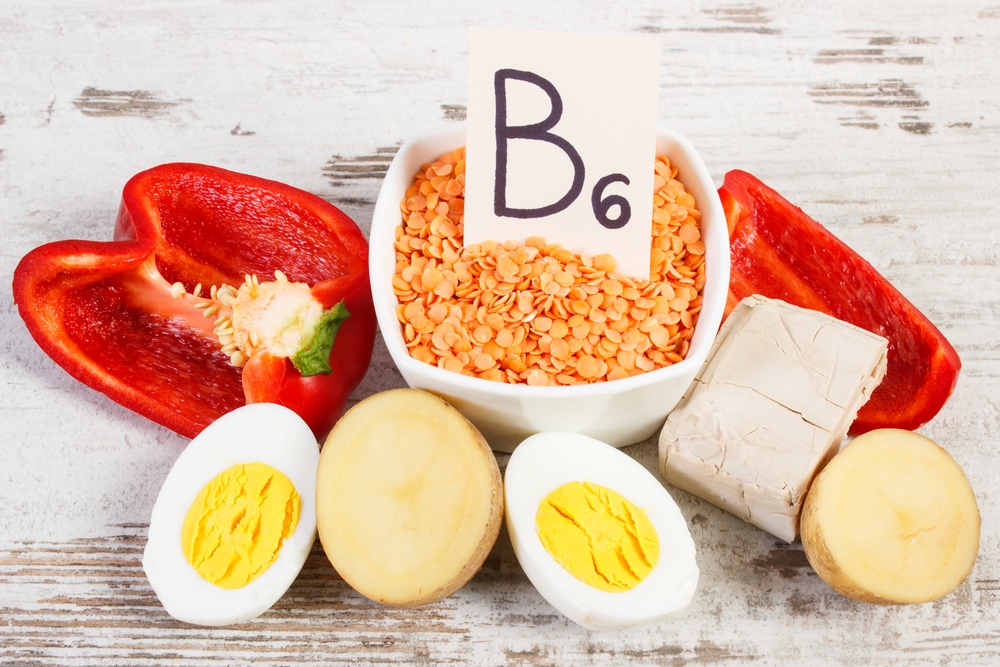
Vitamin B6 is found in a wide variety of everyday foods, especially protein-rich and fortified foods, including:
Poultry, such as chicken and turkeyFish, including tuna and salmonOrgan meats, such as beef liverStarchy vegetables, including potatoes and sweet potatoesLegumes, such as chickpeas and lentilsBananasFortified cerealsNuts and seeds
If you do not get enough vitamin B6 from food alone, talk with a healthcare provider about whether a supplement may help meet your needs.