



















Dark chocolate is an excellent source of magnesium, an essential mineral that plays a crucial role in numerous bodily processes. A one-ounce serving of dark chocolate contains 42 milligrams (mg) of magnesium, but various whole grains, legumes, nuts, seeds, and vegetables contain as much, if not more.
1. Brown Rice
Standard Portion: 1 cup (c), cooked (202 grams [g]) | Magnesium: 79 mg / 18% DV
A serving of brown rice contains almost twice as much magnesium as a serving of dark chocolate.
Magnesium, fiber, and other nutrients in whole grains may help with blood sugar maintenance. Magnesium is needed for insulin secretion and for the uptake of sugar (glucose) by cells, which lowers blood glucose levels.
2. Potatoes
Standard Portion: 1 medium potato with skin (213 g) | Magnesium: 49 mg / 12% DV
Potatoes are a good source of magnesium, especially when eaten with the skin.
Research suggests that regularly consuming potatoes may enhance the overall quality of your diet. Potato eaters tend to have higher intake of magnesium and other nutrients, like potassium, zinc, vitamin C, and dietary fiber.
3. Peanut Butter
Standard Portion: 2 tablespoons (T) (32 g) | Magnesium: 54 mg / 13% DV
Nut butters are sources not only of healthy fats but also of magnesium.
Including peanut butter in your diet may help reduce your risk of a magnesium deficiency, which may cause fatigue, weakness, and gastrointestinal issues. Adult males need between 400 and 420 mg of magnesium per day, while adult females should aim for 310-320 mg.
4. Edamame
Standard Portion: 1 c (155 g) | Magnesium: 99 mg / 24% DV
Edamame is a type of soybean and one of the best sources of magnesium.
Regular consumption of edamame and other magnesium-rich foods may support a healthy metabolism. Poor magnesium intake has been linked to an increased risk of type 2 diabetes, high blood pressure (hypertension), insulin resistance, and other metabolic disorders.
5. Shredded Wheat
Standard Portion: 1 c (49 g) | Magnesium: 65 mg / 15% DV
Shredded wheat cereal is made from whole grains, which are a significant source of magnesium.
Research indicates that meeting your daily magnesium requirements may help reduce the risk of heart disease. Some studies have linked a magnesium-rich diet to a lower risk of stroke as well, but more research is needed.
6. Spinach
Standard Portion: 1/2 c, cooked (90 mg) | Magnesium: 79 mg / 18% DV
Like other leafy greens, spinach is rich in nutrients and recognized for its numerous potential health benefits.
Spinach contains compounds known as oxalates that may decrease magnesium absorption in your body. Because spinach is high in magnesium, however, your body will still absorb some of the mineral when you eat it.
7. Chia Seeds
Standard Portion: 1 ounce (28.4 g) | Magnesium: 95 mg / 23% DV
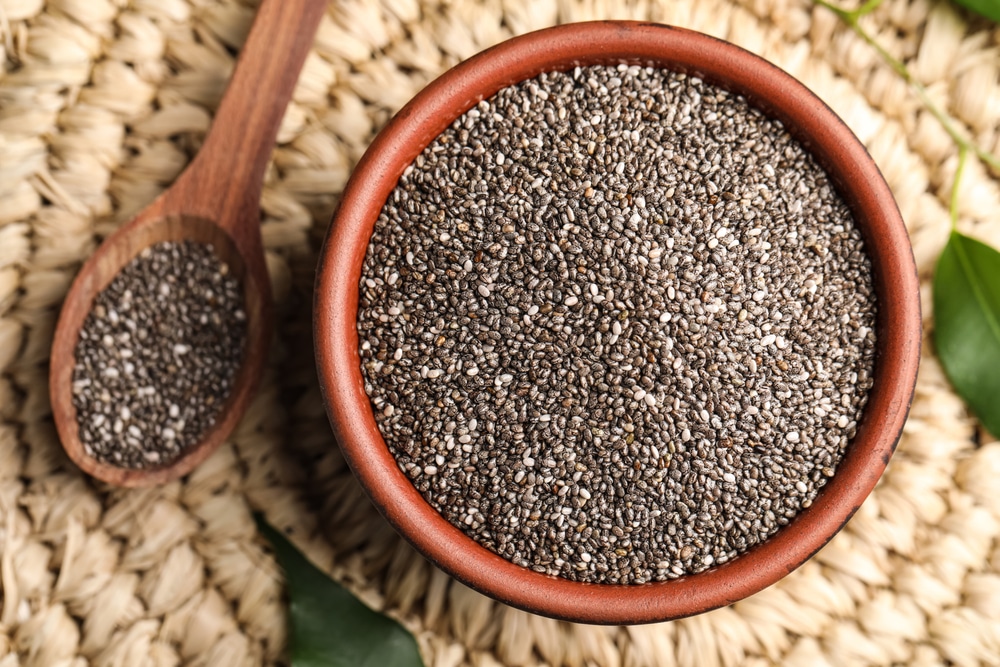
Chia seeds are a versatile food that contains more than twice the magnesium found in dark chocolate.
Studies have linked chia seed consumption to a reduced risk of various diseases, including type 2 diabetes, heart disease, and cancer. These effects are attributed to the high amounts of magnesium and other essential nutrients found in chia seeds, many of which are typically lacking in the Western diet.
8. Almonds
Standard Portion: 1 ounce (28 g) | Magnesium: 77 mg / 18% DV
You can get almost 20% of your daily magnesium needs with just a small handful (1 ounce) of almonds.
According to one review, magnesium, potassium, and healthy fats found in almonds may help reduce blood pressure. Along with potassium, magnesium enhances vasodilation (the widening of blood vessels, leading to improved blood flow) and is also crucial for maintaining electrolyte balance.
9. Soy Milk
Standard Portion: 1 c (243 g) | Magnesium: 61 mg / 15% DV
One cup of soy milk contains more than twice the magnesium as one cup of cow’s milk.
In addition to magnesium, soy milk is also a source of dietary fiber, phytonutrients, healthy fats, and protein. Regular consumption of soy milk is associated with a lower risk of certain cancers.