













Key Takeaways
Crackers usually raise blood sugar because they’re mostly starch, but how fast and how high depends on the type of crackers, the portion, and what you eat it with.Pairing crackers with protein, fiber, or healthy fat can soften the spike and help you feel satisfied longer.For diabetes management, crackers work best when you treat them like a measured carb and adjust portions based on your own patterns.
When you snack on crackers, your blood sugar rises because most crackers are primarily starch, which your body quickly breaks down into glucose. But how high blood sugar climbs, how long it stays elevated, and whether you feel a dip later often comes down to a few small choices that can make a big difference.
1. Blood Sugar Rises Quickly
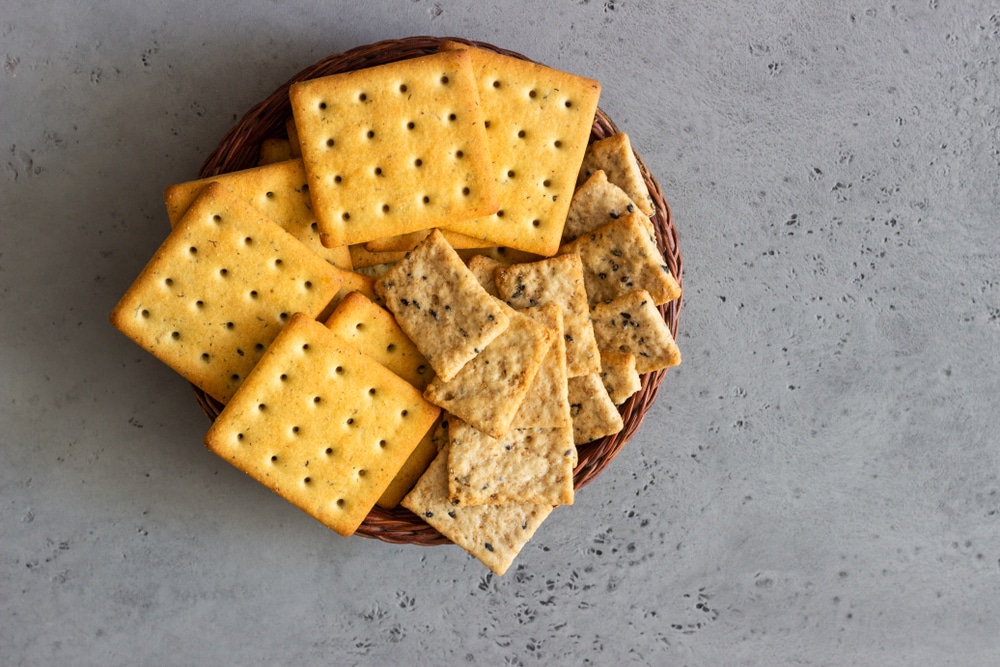
Most crackers are made from refined flour or starches that digest rapidly, leading to a noticeable post-snack glucose bump. Even within the cracker category, glycemic responses vary depending on flour type, fiber content, and added protein.
Keep this in mind:
Thinner, crispier, white-flour crackers tend to spike blood sugar faster.Whole-grain or seed-based crackers typically digest more slowly.Sweetened varieties act more like a dessert than a savory snack.
2. Larger Portions Push It Higher
The bigger the portion, the larger the glucose rise. A small serving of crackers may contain 15 to 20 grams of carbohydrate, but a few extra handfuls can double or triple that amount without feeling like much food.
To keep portions intentional:
Portion out a single serving instead of eating from the box.
Look at total grams of carbohydrate per serving, not just calories.
If you use a continuous glucose monitor (CGM), observe whether your usual portion exceeds your target range.
3. Protein and Fat Slow the Spike
Crackers alone digest quickly, but adding protein or fat can slow gastric (stomach) emptying and carbohydrate absorption. Research comparing snack compositions shows that higher-protein or higher-fat options tend to produce smaller post-snack glucose rises than higher-carbohydrate snacks.
Balanced pairings might include:
Crackers + cheese, cottage cheese, or Greek yogurt dipCrackers + tuna, salmon packet, chicken salad, or hummusCrackers + nut butter or a handful of nuts
4. Fiber Flattens the Curve
Fiber, especially from intact grains and seeds, can help smooth post-meal glucose levels. Research reviews suggest that resistant starch and certain fiber structures are associated with improved postprandial (post-meal) glycemic control.
The American Diabetes Association continues to recommend adequate fiber intake and choosing whole grains more often.
When reading labels:
Aim for at least 3 grams of fiber per serving.Look for a whole grain listed first in the ingredients.Remember that “multigrain” does not always mean whole grain.
5. Timing Changes the Response
Your body does not respond the same way at every hour of the day. Crackers at 10 a.m. after a protein-heavy breakfast may act differently than crackers at 9 p.m. after a long day and a lighter dinner. Snack timing and overall meal composition can influence glycemic and insulin responses, according to recent research.
To make crackers work with your day:
6. Your Response is Individual
Crackers can fit into a balanced eating pattern, including for people with diabetes. They are simply a source of carbohydrate, and like any other carbohydrate, the key is understanding how they affect your blood sugar.
If your glucose runs higher than you would like after eating them, that is information you can use to make small tweaks going forward. Instead of cutting them out entirely, focus on small, strategic adjustments.
Try these tips to keep crackers in your routine while still supporting a healthy blood sugar:
Treat crackers as a measured carb choice, especially if you use insulin.Stick with a consistent portion so you can learn your personal response.Adjust one variable at a time, such as portion size, pairing, or type of cracker.
This approach lets you keep the foods you enjoy in your eating plan while building a snack routine that works for your body.