










Maintaining healthy cholesterol levels is crucial for heart health, and interestingly, your drink choices can play a significant role in this. While dietary habits generally garner attention regarding cholesterol management, beverages can also make a substantial impact. Selecting the right drinks can support efforts to balance “bad” LDL cholesterol while promoting “good” HDL cholesterol.
Importance of Cholesterol Levels
Statistics reveal that over 86 million U.S. adults have total cholesterol levels above 200 mg/dL, with nearly 25 million exceeding 240 mg/dL—well beyond the healthy range. High cholesterol increases the risk of heart disease and stroke due to artery-clogging plaque formation. Thus, understanding how to lower cholesterol effectively is paramount.
In addition to dietary choices, lifestyle modifications such as regular physical activity, maintaining a healthy weight, and adhering to prescribed medications when necessary are essential components of cholesterol management.
Five Drinks that May Help Lower Cholesterol
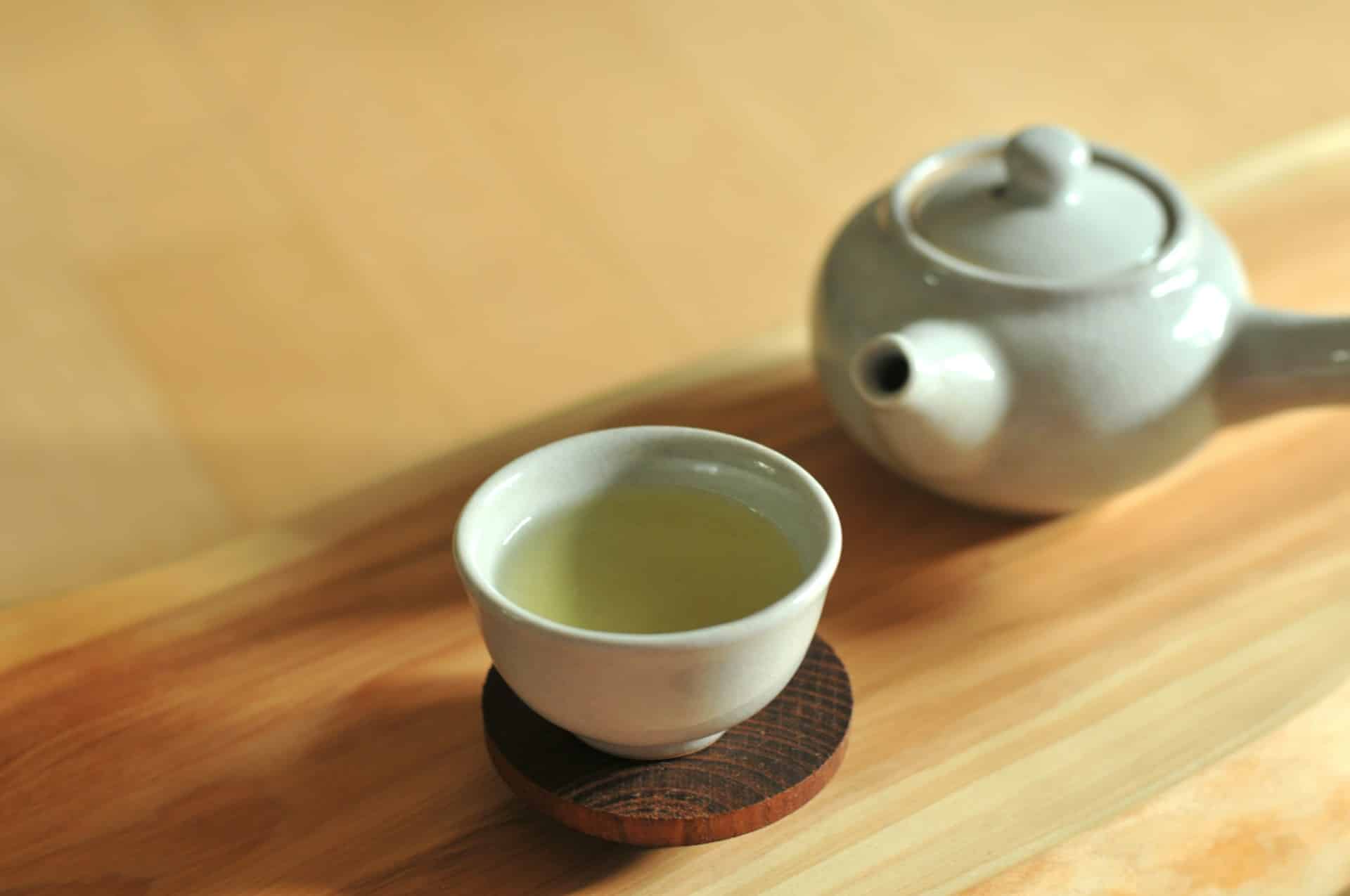
1. Green Tea
Research indicates that green tea can be a powerhouse for cholesterol management. A meta-analysis from 2020 found that regular consumption of green tea significantly reduces both total and LDL cholesterol levels. The presence of antioxidants like epigallocatechin gallate (EGCG) plays a vital role by blocking cholesterol absorption and preventing LDL oxidation, which contributes to plaque buildup in arteries. Aim for at least two to three cups a day, but consult a healthcare provider before incorporating concentrated forms like matcha, especially if you’re on statins.
2. Oat-Based Beverages
Oat drinks harness the benefits of beta-glucan, a soluble fiber that binds to cholesterol and bile acids, promoting their excretion. A 2021 study confirmed that participants drinking high-molecular-weight oat beta-glucan experienced a notable drop in LDL cholesterol levels. For optimal results, choose unsweetened oat milk that contains real oats, seeking out brands that ensure fiber retention.
3. Soy Milk
Surprising to some, soy milk is a beneficial alternative to cow’s milk. Containing soy proteins that limit cholesterol absorption, several studies—including a meta-analysis in 2024—showed that replacing dairy with soy milk can lower unhealthy cholesterol markers. However, it’s wise to remain cautious if you have certain thyroid conditions; consulting with a healthcare provider is advisable.
4. Pomegranate Juice
Pomegranate juice is rich in antioxidants, specifically punicalagins, that can help lower LDL cholesterol levels. A 2022 systematic review found that regular consumption may reduce cholesterol levels in those with metabolic syndrome. It’s essential to choose unsweetened varieties and limit intake to two to four ounces a day, as excessive consumption can interact with medications.
5. Fiber-Rich Smoothies
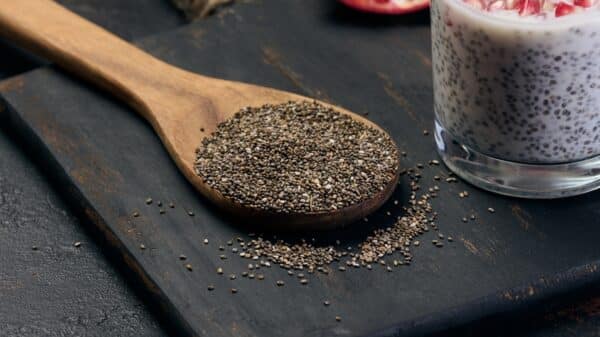
Blending smoothies with ingredients high in soluble fiber is another excellent strategy. Incorporating items such as flaxseed, chia seeds, and various fruits can support lower cholesterol levels. Research from the American Journal of Clinical Nutrition shows that psyllium husk can significantly impact LDL cholesterol. To reap the benefits, use whole fruits for sweetness and avoid added sugars.
Drinks to Avoid for Better Cholesterol Health
While some beverages can support healthy cholesterol levels, others can have detrimental effects. Here are some drinks to limit or avoid:
– Creamy Dairy Drinks: High-fat options like whole milk and milkshakes can elevate LDL cholesterol due to their saturated fat content.
– Sugary Beverages: Soda, sweetened teas, and energy drinks lead to weight gain and lower HDL cholesterol levels, creating a double-edged sword.
– Unfiltered Coffee: Types of coffee such as French press can contain compounds that may raise LDL levels; opting for filtered types can mitigate this risk.
– Alcohol: Even moderate alcohol consumption can pose risks for high blood pressure and chronic diseases. If choosing to drink, moderation is critical.
Conclusion
Understanding the relationship between beverages and cholesterol can be a game-changer in your heart health journey. Not only can incorporating beneficial drinks like green tea and oat milk serve as powerful tools in your wellness arsenal, but avoiding harmful drinks also plays a pivotal role. By making informed choices, you can enhance your efforts toward achieving better cholesterol levels and, ultimately, improved heart health. Always consult healthcare professionals before making significant dietary changes, especially if you are managing chronic conditions.
Image Source: Unsplash