











Cold cuts are a convenient choice for quick, high-protein meals. However, selecting the healthiest options requires careful label reading to avoid excessive salt, saturated fat, and additives like nitrates.
1. Turkey Breast
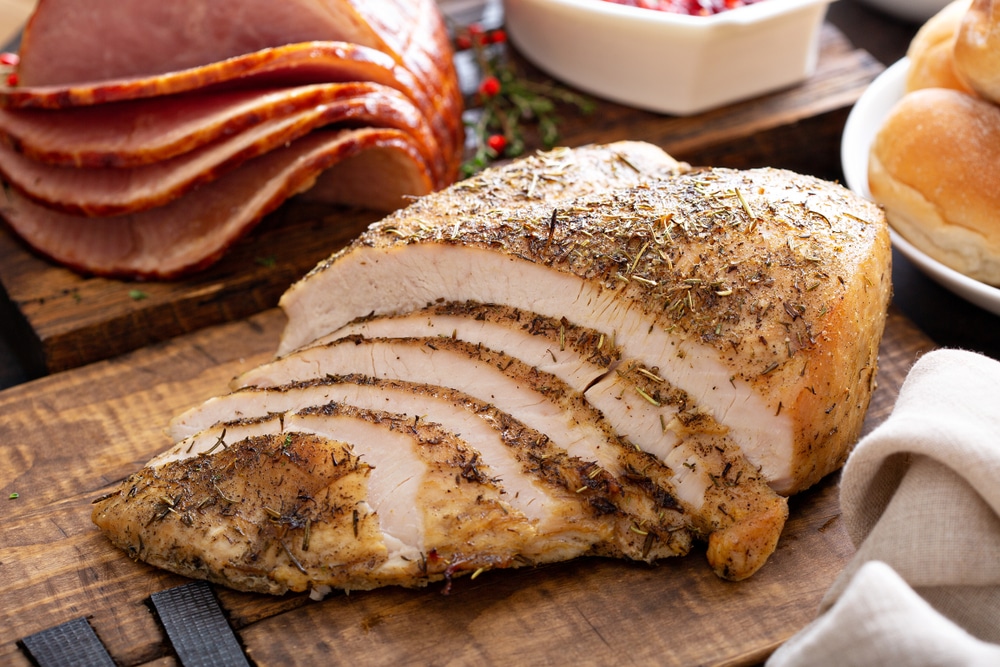
Turkey breast ranks among the leanest lunch meats available. It delivers high protein with minimal fat. Opt for varieties that are oven-roasted or lightly seasoned, and scrutinize the label to avoid unwanted sodium, sugars, or fillers.
2. Chicken Breast
Chicken breast, another excellent poultry option, is low in fat while being rich in protein. Look for deli slices labeled “100% chicken breast,” derived from whole cuts of meat, and favor low-sodium selections.
3. Plant-Based Deli Slices
Vegetarian or vegan deli slices made from whole ingredients, such as chickpeas or lentils, offer a nutritious nonmeat protein source. Be cautious, as they can also be high in sodium. Opt for options with less than 140 milligrams (mg) of sodium per serving.
4. Roast Beef (Lean Cuts)
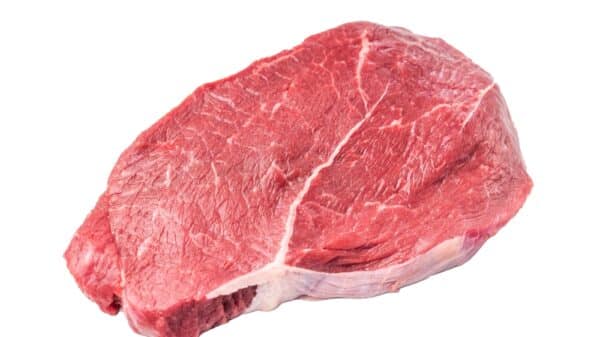
Lean cuts of roast beef provide essential nutrients, including iron and vitamin B12. Favor cuts like top round or eye of round. Consider limiting this choice since processed red meats may be high in sodium.
5. Low-Sodium Ham (Occasional Treat Only)
Ham usually has high sodium levels and often contains nitrates. If you select ham, aim for uncured types labeled as “low-sodium” (140 mg or less per serving). Balance the sodium by including potassium-rich fruits and vegetables in your meal.
Lunch Meats to Limit
Processed lunch meats like bologna, bratwurst, hot dogs, and pepperoni should be enjoyed sparingly. These meats are generally higher in unhealthy fats, sodium, and preservatives.
The World Health Organization (WHO) categorizes processed meats as a Group 1 carcinogen, indicating a strong correlation with certain cancers. To minimize your risk, keep these choices infrequent and prioritize leaner, less processed alternatives.
Warning: Listeria in Cold Cuts
Even refrigerated deli meats can harbor Listeria monocytogenes, a dangerous bacterium that can result in severe illnesses. To minimize the risk, consume sliced meats within three to five days, maintain your fridge temperature below 40°F, and reheat cold cuts to 165°F before eating, especially if you are pregnant, over 65, or immunocompromised.
How to Choose the Healthiest Lunch Meat
Here’s a guide for selecting the healthiest cold cuts while knowing what to avoid.
- Freshly Sliced (not pre-packaged): Freshly sliced meats from the deli counter are typically healthier than pre-packaged options, which tend to have more preservatives and unhealthy additives.
- Protein Quality: Look for lean, minimally processed meats that offer high-quality protein. Whole cuts like turkey breast or roast beef surpass products like bologna or salami, which often include fillers.
- Saturated Fat: Even lean meats can vary in fat content. Aim for lunch meats containing less than 1 gram of saturated fat per serving for better heart health.
- Sodium: The American Heart Association (AHA) advises keeping your sodium intake below 2,300 mg a day, with a goal of 1,500 mg. Certain deli meats may exceed 600 mg per serving. Always look for “low-sodium” options (140 mg or less per serving).
- Nitrates, Nitrites, and “Uncured” Labels: While nitrates and nitrites serve as preservatives, they can form harmful compounds during digestion. Uncured lunch meats may contain “natural” nitrates, which can produce nitrites similar to those in conventionally cured products.
Tips for Healthier Deli Sandwiches
Making small changes can significantly enhance your sandwich’s health and nutrition:
Use Whole-Grain Bread: Whole-grain bread introduces more fiber and nutrients compared to refined white variants. Fiber keeps you satisfied longer and supports digestive wellness.
Add Vegetables: Include a layer of spinach, lettuce, tomatoes, cucumbers, or onions for added crunch and a burst of essential vitamins, minerals, and antioxidants.
Use Mustard Instead of Mayo: Mayo contributes unnecessary saturated fat and calories. Replacing it with mustard offers flavor and health perks from beneficial plant compounds.