


















Twenty years ago, the landscape of the average weight room looked significantly different than it does today. For over a century, dumbbells reigned supreme as the primary tool for free-weight training. However, the fitness industry has seen a massive shift over the last two decades. With the rise of CrossFit and the broader functional fitness movement, kettlebells—once a niche implement—have surged in popularity. This resurgence has led many modern trainers to treat these cast-iron spheres as if they have rendered the classic dumbbell obsolete.
While the trend is undeniable, it is important to look past the hype and evaluate whether the kettlebell actually deserves to replace the tools that built the foundations of modern strength training.
Analyzing Design: How Kettlebells Differ From Traditional Dumbbells
The fundamental difference between these two pieces of equipment lies in their physical architecture and how they distribute weight. To understand which tool is best for your goals, you must first understand the physics of the load.
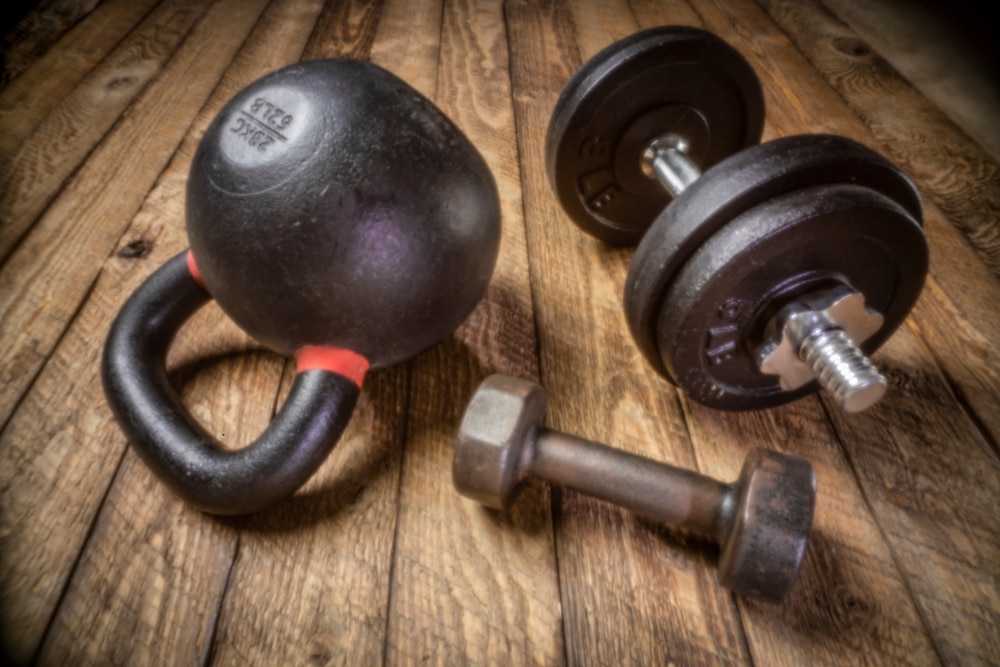
A dumbbell is designed for balance. The weight is distributed evenly on both sides of the handle, ensuring that the load remains directly in line with the lifter’s wrist, forearm, and elbow. This symmetrical design provides a high degree of stability and makes the movement of the weight predictable. For most people, this predictability is a significant advantage when focusing on controlled muscle contractions.
In contrast, a kettlebell is inherently offset. The bulk of the weight sits several inches below the handle, which moves the center of gravity away from the hand. This design introduces a leverage challenge and an element of instability that is completely absent in dumbbell training. While advocates of “functional” training argue that this instability improves coordination and grip strength, it can also complicate the movement pattern.
Kettlebells excel in dynamic, explosive exercises such as swings, cleans, snatches, and various rotational carries. These movements are intended to develop power, cardiovascular endurance, and athletic explosiveness. However, the very nature of these movements—specifically swinging a heavy weight rapidly between the legs—introduces a higher technical barrier to entry. Without proper form, the risk of placing undue stress on the lower back, shoulders, and wrists increases significantly. For a beginner, a kettlebell swing can quickly transition from a hip-strengthening exercise to a potential injury risk.
Dumbbells, however, offer a level of simplicity and safety that is hard to match. They are exceptionally effective for foundational movements like presses, curls, rows, and lunges. Because the movement patterns are more intuitive and stable, they are easily scalable for everyone from professional athletes to seniors and complete novices. The reduced risk of technique failure makes them a more reliable choice for those whose primary goals are safety and consistency.
Does Kettlebell Training Effectively Replace Dumbbell Workouts?
While kettlebells are a versatile tool, they are not a complete replacement for the dumbbell. For the vast majority of people—roughly 90 percent of gym-goers—there is no objective evidence that a kettlebell provides a superior stimulus for building muscle (hypertrophy) or general strength compared to a dumbbell.
In many ways, dumbbells are actually superior for body transformation goals. They allow for more precise progressive overload because weight increments are typically smaller and easier to manage. Furthermore, the stability of a dumbbell allows the lifter to focus more on the target muscle group rather than the mechanics of stabilizing an offset load, which is often more efficient for muscle growth.
Where Kettlebells Provide the Most Training Value
The most effective way to view a kettlebell is as a supplemental tool rather than a primary one. Kettlebells are fantastic for specific applications where dumbbells might fall short, such as high-intensity conditioning circuits, explosive hip-hinge training, and improving grip endurance. They are an excellent addition to an athletic program, but they should not necessarily be the centerpiece of every workout for every person.
It is important to remember that the human body does not distinguish between different shapes of iron. Muscles simply respond to mechanical tension, metabolic stress, and progressive adaptation. Whether that tension comes from a machine, a barbell, a dumbbell, or a kettlebell, the physiological result remains the same. If a training philosophy insists that one specific tool is the only way to achieve results, it is likely ignoring the decades of success achieved by lifters who never touched a kettlebell.
Final Thoughts on Choosing the Right Tool
The debate between kettlebells and dumbbells shouldn’t be about which tool is “better,” but rather which tool is most appropriate for the individual’s specific goals and skill level. For those looking to build maximum muscle and strength with a high degree of safety, the dumbbell remains the gold standard. For those looking to add variety, explosive power, and a unique conditioning challenge, the kettlebell is a welcome addition to the gym. Ultimately, mastering the basics of strength training with traditional implements is usually the most direct path to success. If you haven’t seen progress using time-tested methods, a change in equipment is rarely the magic solution.