


















For decades, the bodybuilding community has championed “drop sets” as a premier strategy for accelerating muscle hypertrophy. This technique involves performing an exercise to the point of muscular failure, immediately reducing the load by 10% to 20%, and continuing for another set until failure. This cycle is often repeated several times within a single block of training.
The core theory behind drop sets is that they maximize “time under tension” and create a significant “muscle pump.” Proponents argue that these physiological stressors provide a more potent stimulus for growth than standard sets alone. However, many evidence-based lifting experts remain skeptical, pointing to three specific arguments:
- Load over Duration: While time under tension is a factor in growth, research indicates that intensity—specifically lifting weights at or above 60% of your one-rep max—is a more critical driver of hypertrophy. High-repetition sets with very light weights may not provide enough mechanical tension to trigger significant gains.
- Suboptimal Resistance: As you decrease the weight during a drop set, the resistance eventually falls to a level that is less effective for building muscle compared to staying with heavier, traditional working sets.
- The Nature of the Pump: While satisfying, the “pump” (sarcoplasmic hypertrophy or temporary swelling) is largely a byproduct of training rather than a primary cause of long-term muscle tissue growth.
Analyzing the Scientific Data on Drop Sets
When looking at the objective data, the reality lies somewhere in the middle. A comprehensive meta-analysis conducted by researchers at CUNY Lehman College reviewed several studies comparing drop sets to traditional rest-pause training. Their findings suggested that drop sets are roughly as effective as traditional sets for increasing strength and muscle size. While this validates the technique, it also dispels the myth that drop sets are a “superior” shortcut to results.
It is important to note that the existing research has limitations. Most studies featured small participant groups and focused on loads around 80% of a one-rep max or lighter. Consequently, we still lack definitive data on how drop sets perform for elite athletes or how they affect high-intensity training over the long term. For many lifters, sticking to traditional sets with consistent weight and intensity may still provide the most reliable results.
Practical Benefits for Your Training Routine
Despite the lack of a “magical” growth advantage, there are two compelling reasons to keep drop sets in your toolkit:
- Time Management: Drop sets are incredibly efficient. If you are pressed for time and need to finish a 30-minute workout in 10 minutes, drop sets allow you to accumulate high training volume in a fraction of the time by eliminating rest periods.
- Psychological Variation: Training should be engaging. If you enjoy the intensity and the sensation of a drop set, that personal preference can lead to better consistency and effort in the gym.
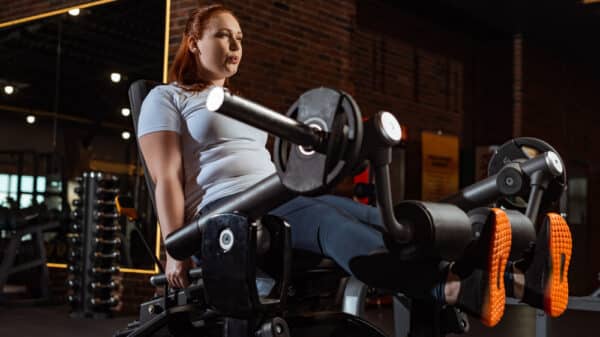
To use this technique safely and effectively, it is best to apply it to isolation movements—such as lateral raises, bicep curls, or leg extensions—rather than heavy compound lifts like squats or deadlifts, where fatigue could compromise your form. Ideally, save drop sets for the final one or two sets of an exercise to avoid premature exhaustion.
The Optimized Drop Set Protocol
To get the most out of this technique, follow this structured approach to ensure you are maintaining enough intensity to stimulate adaptation:
- Initial Set: Perform your first set with your standard working weight until you are approximately one repetition away from total failure.
- First Drop: Immediately reduce the weight by 10% to 20% and perform as many reps as possible until you are again one rep shy of failure.
- Second Drop: Reduce the weight once more by another 10% to 20% and push until you reach the brink of muscular failure.
This “triple-drop” sequence counts as one complete drop set. After finishing, rest for two to three minutes before moving on to your next exercise to allow your nervous system to recover.
Summary: Integrating Drop Sets for Maximum Efficiency
Drop sets are a valid and effective tool for building muscle, particularly when you need to save time or increase the density of your workout. While they do not necessarily outperform traditional sets in a controlled environment, their ability to generate high levels of metabolic stress makes them a useful addition to a well-rounded hypertrophy program. By focusing on isolation exercises and utilizing a structured weight-reduction protocol, you can enjoy the benefits of this classic bodybuilding technique without sacrificing safety or overall training quality. Supplements are not a requirement for success, but when paired with high-intensity techniques like these, the right nutritional support can help you recover faster and reach your fitness goals more efficiently.
Effective Strategies for Dropping 15 Pounds in Three Months
Achieving a significant body transformation often feels like an uphill battle, but Nikita’s journey proves that the right approach can make the process feel intuitive. By following a structured nutritional framework, he successfully lost 15 pounds in just 12 weeks. The secret to his success was a system designed for simplicity and consistency, ensuring that every dietary choice worked in harmony toward his weight loss goals. When a plan is built to be manageable, staying on track becomes a natural part of your daily routine rather than a constant struggle.
Take Control of Your Nutrition Today
Reaching your fitness milestones requires more than just willpower; it requires a clear roadmap for your metabolism. To replicate the kind of success seen in Nikita’s transformation, you must understand the specific fuel your body needs. Using a data-driven approach to your diet allows you to stop guessing and start seeing measurable progress. By aligning your eating habits with your physiological requirements, you can transform your physique while maintaining high energy levels and overall well-being.
Utilizing a Tailored Meal Planning System for Optimal Health
Precision is the foundation of any successful body recomposition strategy. A comprehensive meal planning tool allows you to accurately determine your daily caloric needs and break them down into specific macronutrient targets. By balancing your intake of proteins, carbohydrates, and healthy fats, you can effectively lose body fat while preserving or building lean muscle tissue. Furthermore, focusing on micronutrient density ensures that your body receives the vitamins and minerals essential for long-term health, recovery, and performance.
Key Takeaways for Long-Term Fitness Success
Nikita’s 15-pound weight loss highlights the power of a simplified, science-based approach to dieting. The most effective plan is one that you can follow consistently without feeling overwhelmed. By prioritizing a balance of calories, macros, and micros, you create a sustainable environment for fat loss and muscle maintenance. Remember that lasting change comes from using the right tools to take the guesswork out of your nutrition, allowing you to focus on your progress and enjoy the results of your hard work.
Prioritizing Safety and Personal Responsibility in Fitness
Engaging in physical training and utilizing nutritional supplements involves inherent risks. Participants must acknowledge and accept full responsibility for any potential injuries or health complications that may arise during these activities. It is important to recognize that fitness products and wellness services are intended to support general health goals rather than diagnose, treat, or manage specific medical conditions.
To ensure a safe experience, it is highly recommended that individuals undergo a thorough physical examination and obtain clearance from a qualified healthcare provider before beginning a new regimen. Choosing to use health-related services or products without professional medical advice means the user assumes all associated risks. Furthermore, because physiological responses vary significantly between individuals, specific physical outcomes cannot be guaranteed, and the provider is not liable for the presence or absence of specific results.
Our Commitment to Scientific Integrity and Fact-Checking
Reliable health information must be rooted in rigorous science. To maintain the highest standards of accuracy, a dedicated scientific review board—consisting of medical doctors, PhDs, registered dietitians, and molecular biologists—oversees the development of all educational content. This expert panel ensures that every claim is evidence-based, current, and trustworthy.
By leveraging their professional credentials and academic backgrounds, these experts access a vast array of research published in the world’s most prestigious medical and scientific journals. This allows for a comprehensive analysis of the “weight of the evidence,” meaning we look beyond individual studies to understand the broader scientific consensus on topics like nutrition, exercise science, and supplementation. This rigorous oversight ensures that the information provided is not just anecdotal, but scientifically sound.
A Multi-Step Process for Evidence-Based Content
Creating high-quality health resources requires a structured editorial approach centered on clarity and scientific precision. The process begins with research associates who gather the most recent and proven data relevant to the topic. This foundational evidence is then used by the editorial team to draft clear, practical guidance for readers.
The final and most critical stage involves a technical review by the scientific board. They scrutinize the content to verify that every key takeaway is supported by high-quality research and explained in a way that is accessible yet precise. This commitment to transparency means that if any information is found to be outdated or inaccurate, there is a clear channel for feedback to ensure the content remains a factual and dependable resource for the community.
Summary of Health Standards and User Guidelines
Navigating the world of fitness and nutrition requires a balance of expert-vetted information and personal accountability. By following a strict editorial protocol backed by a board of medical and scientific professionals, we ensure that our content meets the highest standards of integrity. However, users must remain proactive regarding their own safety by consulting with healthcare professionals and understanding that individual results will always vary based on personal circumstances.