




















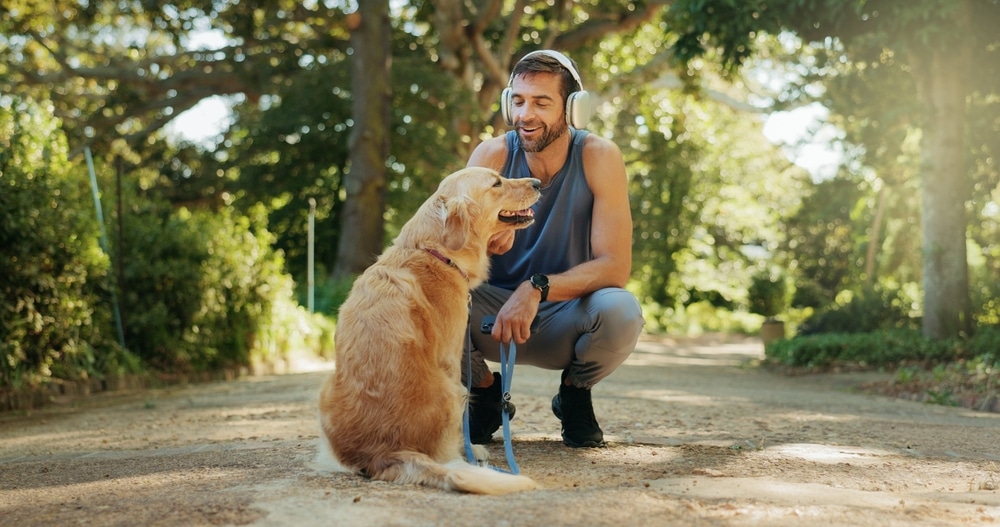
While daily strolls around the block are a cornerstone of responsible pet ownership, elevating your activity level to include runs or structured workouts offers transformative benefits. Integrating your dog into your fitness regimen does more than just fill an exercise quota; it fosters a unique synergy that enhances physiological health, emotional resilience, and the interpersonal bond between human and animal. By viewing your dog as a dedicated training partner rather than just a companion, you can unlock a more consistent and rewarding path to wellness.
The Advantages of Having a Canine Fitness Partner
One of the primary obstacles to maintaining a fitness routine is the lack of accountability. Human motivation is often subject to fatigue, scheduling conflicts, or inclement weather. Dogs, however, are inherently routine-oriented and possess a natural enthusiasm for movement. Their predictable energy levels serve as a living alarm clock, providing the external nudge many owners need to stay committed to their health goals.
Unlike human workout partners who might reschedule, a dog is almost always ready to participate. This reliability helps cement exercise as a non-negotiable part of the day. Furthermore, for high-energy breeds, intensive exercise is not just a luxury but a behavioral necessity. Engaging in vigorous activities like jogging or trail running allows these dogs to channel their instincts constructively, often resulting in a calmer, more focused demeanor at home.
Boosting Physical Resilience and Cardiovascular Health
Engaging in aerobic exercise with a dog provides a significant boost to cardiovascular efficiency. For the owner, the consistent pace required to keep up with a canine companion can lead to improved heart function and higher metabolic output. The physical demands of navigating various terrains also contribute to better muscular endurance and core stability.
Key physical advantages for the owner include:
- Enhanced heart health and circulation.
- Increased caloric burn compared to casual walking.
- Improved lower-body strength and muscle tone.
- Greater respiratory capacity and overall stamina.
- A proactive approach to managing weight and long-term wellness.
Dogs receive mirrored benefits. Regular, high-intensity movement helps prevent canine obesity, a leading cause of secondary health issues. Keeping a dog active supports joint flexibility and keeps their circulatory system robust, which is vital for maintaining vitality as they transition into their senior years.
Enhancing Emotional Wellness and Reducing Stress
The psychological impact of exercising with a pet is profound. Physical exertion triggers the release of endorphins and dopamine, which are natural mood elevators. When this biological response is combined with the presence of a dog, the stress-reducing effects are often amplified. The simple act of focused, outdoor activity helps lower cortisol levels, providing a much-needed mental break from the pressures of modern life.
For the dog, the mental stimulation of a workout is just as important as the physical effort. Exploring new environments, processing different scents at a faster pace, and focusing on their owner’s movements provide essential “brain work.” This type of engagement can drastically reduce boredom-related behaviors, such as excessive barking or destructive chewing, by ensuring the dog is both physically tired and mentally satisfied.
Developing a Deeper Connection Through Shared Activity
Working toward a fitness goal together establishes a unique form of non-verbal communication. As you run or train with your dog, you learn to read their body language—identifying when they are excited, tired, or distracted. Similarly, dogs become more attuned to their owner’s cues and pace. This mutual focus builds a foundation of trust and cooperation that carries over into other aspects of training.
Shared physical challenges create a sense of partnership. Over time, these sessions evolve from simple exercise into a ritual that reinforces the social bond. This strengthened relationship often leads to better obedience and a more harmonious living environment, as both parties feel more connected through their shared accomplishments.
Best Practices for Safe Training and Injury Prevention
Transitioning from walks to runs requires a thoughtful approach to ensure the safety of both the owner and the dog. Not all dogs are built for long-distance endurance, and factors such as breed morphology, age, and existing joint health should be considered before increasing intensity.
To ensure a safe experience, consider these essential guidelines:
- Implement a gradual progression: Slowly increase distance and speed over several weeks to allow the dog’s paw pads and joints to adapt.
- Prioritize hydration: Dogs cannot regulate their body temperature as efficiently as humans. Always carry water and offer frequent breaks, especially in humid or warm conditions.
- Select joint-friendly terrain: Whenever possible, opt for trails, grass, or dirt paths. Hard asphalt can be abrasive on paws and high-impact for a dog’s skeletal system.
- Observe physical cues: Watch for signs of heavy panting, lagging behind, or limping. If a dog slows down, it is time to end the session.
- Utilize ergonomic gear: A high-quality, non-restrictive harness is often better for running than a standard collar, as it distributes pressure more evenly across the dog’s body.
Building a Sustainable Future of Health Together
Incorporating your dog into your fitness journey is an investment in a longer, healthier life for both of you. Beyond the obvious perks of weight management and cardiovascular strength, the habit builds a bridge of emotional support and consistency. By treating your dog as a teammate in your wellness routine, you transform a solo chore into a meaningful, shared experience. Ultimately, the journey toward a healthier lifestyle becomes more sustainable when you have a loyal, energetic partner by your side every step of the way.