










Key Takeaways
Chia seeds are tiny but incredibly nutrient-dense.
These seeds are packed with essential minerals, fiber, and omega-3 fatty acids.
Incorporating them into your diet may reduce the risk of heart disease, osteoporosis, and type 2 diabetes.
However, overconsumption can lead to digestive issues like bloating, gas, and diarrhea.
People with allergies or difficulties swallowing should avoid them.
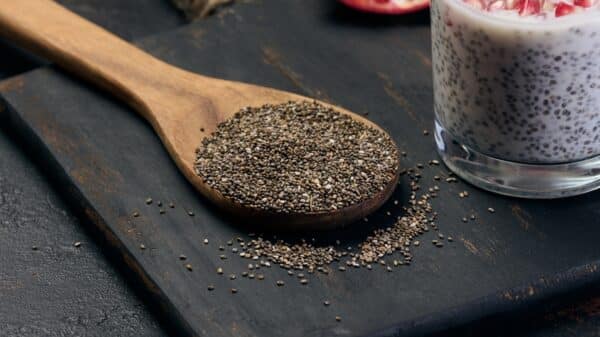
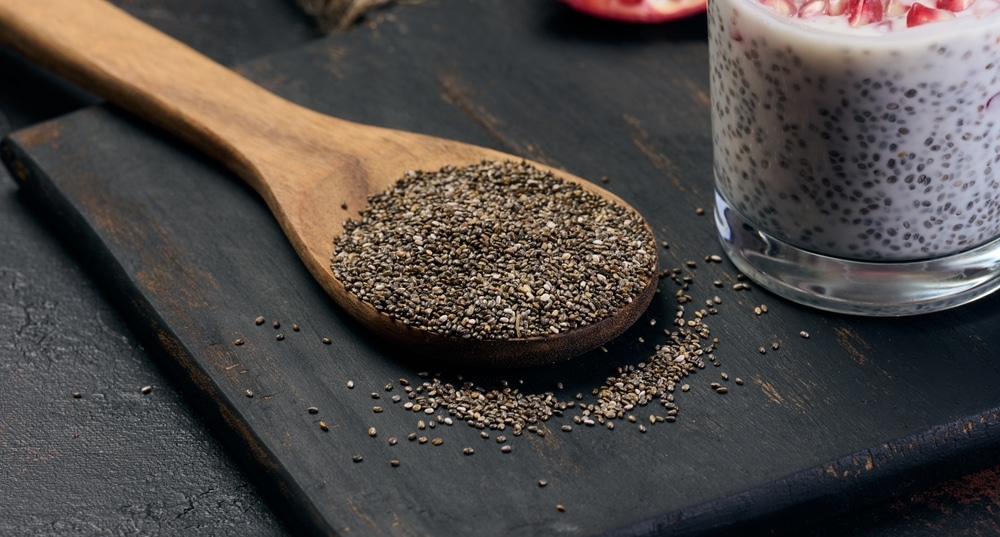
Chia seeds may appear small, but they deliver a wealth of nutrients. With high levels of fiber, omega-3 fatty acids, and essential minerals, they significantly support your overall health. Incorporating chia seeds into your meals could positively benefit heart health, bone density, and blood sugar levels, particularly benefiting women.
1. Risk of Heart Disease is Reduced
Cardiovascular disease remains the top cause of mortality among women.
Chia seeds are abundant in soluble fiber and omega-3 fatty acids, which may promote heart health and lower the likelihood of heart issues by decreasing total cholesterol and low-density lipoprotein (LDL) cholesterol levels.
In addition, chia seeds offer protein and magnesium, nutrients that can help combat high blood pressure (hypertension). Research suggests that integrating chia seed flour into your meals may lead to lower blood pressure levels.
2. Bone Density May Improve
Incorporating chia seeds can contribute to reducing the risk of osteoporosis.
This condition occurs when bones lose strength and become fragile, increasing the chances of fractures.
Women face a higher risk of osteoporosis due to factors such as:
– Hormonal fluctuations
– Body size
– Natural aging
Rich in nutrients like calcium, magnesium, and phosphorus, chia seeds are linked to enhanced bone density. A study indicates that omega-3 fatty acids can increase bone density, significantly lowering osteoporosis risk.
3. Blood Sugar Levels are Maintained
Chia seeds contain a high level of soluble fiber, which isn’t absorbed by the body and does not affect blood sugar levels.
This property helps in keeping blood sugar (glucose) within a healthy range.
Persistently elevated blood sugar levels can lead to type 2 diabetes.
One study revealed that a diet rich in chia seeds can lower blood sugar levels in both diabetic and non-diabetic individuals.
High blood sugar can contribute to diabetes and polycystic ovary syndrome (PCOS), a condition characterized by cyst formation on the ovaries.
Both diabetes and insulin resistance are significant risk factors for PCOS. Maintaining stable blood sugar levels can help mitigate those risks.
4. Metabolic Health Has Potential for Improvement
The fiber content in chia seeds aids digestion by delaying the digestion process, which helps prevent blood sugar spikes.
This can make you feel fuller, possibly leading to reduced calorie intake over the day.
Additionally, the protein in chia seeds can enhance feelings of fullness.
Research indicates that participants who included chia seeds in their diets reported decreased hunger and increased satiety compared to those who did not consume chia seeds.
Those daily chia seed consumers also tended to eat less and showed weight loss results.
5. Gut Health is Supported
Chia seeds are loaded with fiber; just two tablespoons can meet 35% of daily fiber requirements.
Fiber is important for healthy digestion and helps minimize constipation.
It also promotes beneficial gut bacteria, reducing the risk of various chronic conditions.
Additionally, the omega-3 fatty acids in chia seeds have anti-inflammatory benefits, aiding in the reduction of gut inflammation.
Gut health is crucial as it impacts various women’s health conditions, including PCOS and breast cancer.
6. Skin Health is Enhanced
Managing skin health is vital for women experiencing menopause, as hormonal changes can greatly impact hydration and elasticity.
The omega-3s in chia seeds help bolster the skin’s barrier, promoting moisture retention and minimizing dryness.
The healthy fats present in chia seeds can also alleviate skin inflammation, irritation, and redness.
Applying chia seed oil to the skin may further enhance moisture levels and fend off dryness.
Possible Side Effects
Chia seeds are generally safe for most, but some may experience side effects depending on specific health conditions.
Due to their high fiber content, excessive intake may cause:
– Bloating
– Gas
– Diarrhea
– Constipation
When first adding chia seeds to your meals, start slowly to avoid digestive discomfort.
People with allergies or sensitivities should refrain from consuming chia seeds.
These seeds can absorb liquid and expand, potentially creating a choking hazard for those with swallowing difficulties. If they become lodged in the esophagus, it could require medical attention.
Ways to Incorporate Chia Seeds into Your Meals
If you’re uncertain about adding chia seeds to your diet, start with a modest amount—just a tablespoon or two can yield benefits.
Here are some creative ideas to help you begin:
Sprinkle chia seeds over yogurt or oatmeal enriched with fresh fruit.
Blend them into a vibrant fruit smoothie.
Mix them into a cup of milk to create chia pudding.
Use chia flour and seeds in baking recipes, such as muffins or bread.
Combine them with water to create an egg substitute for various dishes.
Add them to homemade granola bars or energy bites.
Cook them with berries for a delicious chia jam.