











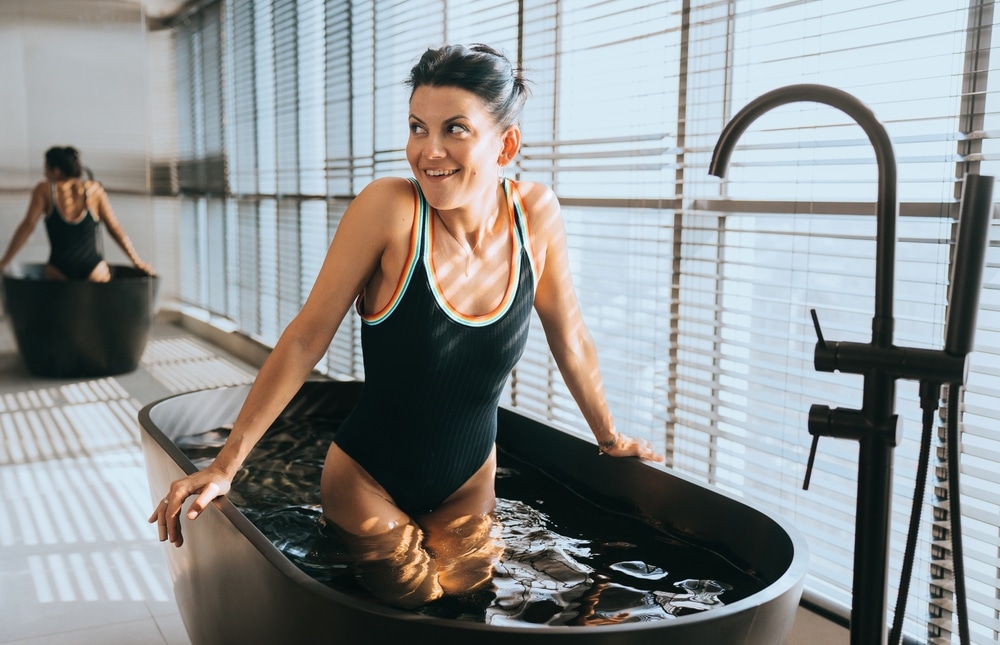
For many years, ice baths were viewed as a grueling ritual reserved for professional athletes and high-level endurance competitors. However, the landscape of recovery has changed significantly. Cold water immersion, frequently referred to as “cold plunging,” has transitioned from an elite locker-room secret into a mainstream daily practice for recreational lifters, runners, and health-conscious individuals.
Today, dedicated cold therapy equipment is increasingly common in residential garages and backyards, replacing more traditional recovery tools. The shift suggests a growing recognition of the practice’s benefits, but it also raises questions for those new to the habit. Beyond the initial shock, understanding the biological mechanisms, the logistical requirements for a home setup, and the specific protocols for success is essential for anyone looking to optimize their physical recovery.
The Physiological Response: What Happens During Cold Immersion?
Entering water below 60°F (15°C) triggers an immediate physiological reaction. While the initial “gasp reflex” is a survival mechanism, the secondary internal responses drive the therapeutic benefits. When the body is submerged in cold water, the central nervous system initiates peripheral vasoconstriction. This process redirects blood flow away from the limbs and toward the core to protect vital organs and maintain internal temperature.
The true recovery benefits occur in the phases following the initial shock:
- The Circulation Flush: Upon exiting the cold water, the body undergoes rapid vasodilation. As blood vessels expand, oxygen-rich blood returns to the extremities. This “flushing” effect helps move metabolic byproducts out of the muscle tissue and assists in managing post-exercise inflammation.
- Neurochemical Enhancement: Cold exposure triggers a significant release of neurotransmitters, specifically dopamine and norepinephrine. This chemical surge often results in heightened alertness, improved mood, and sustained mental clarity that can last for several hours.
Optimizing the Home Experience: Beyond Manual Ice Preparation
While the benefits of cold therapy are clear, the barrier to entry often lies in the logistics of the routine. Many beginners start by adding large quantities of ice to a standard bathtub. While effective for an occasional session, this method is often unsustainable for a daily habit. Manually managing ice is labor-intensive, expensive over time, and makes temperature regulation difficult.
For those committed to a long-term recovery protocol, a dedicated cold plunge system equipped with a chiller offers a more streamlined experience. These systems maintain water at a precise temperature consistently, eliminating the need for constant ice runs. Furthermore, high-quality setups include filtration and circulation systems that ensure the water remains sanitary and clear, allowing the user to focus entirely on the recovery process rather than the maintenance of the equipment.
The Evidence-Based Protocol: Safety and Efficacy
Effective cold plunging is characterized by controlled stress rather than extreme endurance. To achieve the best physiological outcomes while minimizing risks like hypothermia, it is important to follow established safety guidelines.
The following parameters are generally recommended for a balanced routine:
- Temperature Range: Aim for a temperature between 50°F and 59°F (10°C to 15°C). Going significantly colder does not necessarily increase the recovery benefits and may lead to shorter, less effective sessions.
- Duration per Session: A timeframe of 2 to 5 minutes is typically sufficient. Research indicates that a cumulative total of approximately 11 minutes of cold exposure per week, spread across several sessions, is the “sweet spot” for metabolic and recovery benefits.
- Frequency: Performing a cold plunge 3 to 4 times per week, particularly following intense training sessions, provides a sustainable balance for most active individuals.
Key Performance Benefits for Active Individuals
When integrated consistently, cold therapy offers tangible improvements that extend beyond the gym. These benefits compound over time, supporting both physical longevity and mental performance:
- Management of Delayed Onset Muscle Soreness (DOMS): By modulating the inflammatory response and providing a numbing effect on pain receptors, cold plunging helps alleviate the stiffness and fatigue often felt the day after a high-intensity workout.
- Improved Sleep Architecture: Using cold therapy in the afternoon or evening can assist the body’s natural circadian rhythm. The drop in core temperature after a plunge signals to the brain that it is time for rest, often leading to deeper and more restorative sleep.
- Psychological Resilience: Learning to control the breath and remain calm in a stressful environment like freezing water builds significant mental fortitude. This “top-down” regulation of the stress response can improve focus and composure in other areas of life.
Common Inquiries Regarding Cold Exposure Therapy
Does Cold Immersion Affect Hypertrophy and Strength Gains?
For individuals focused strictly on maximizing muscle size (hypertrophy), it is recommended to wait at least 4 hours after a resistance training session before plunging. Cold therapy can dampen the acute inflammatory signals required to trigger muscle growth. However, plunging is highly effective on active recovery days or after cardiovascular training, where muscle size is not the primary goal.
Is an Immediate Warm Shower Recommended After a Plunge?
To maximize the metabolic benefits, it is generally better to allow the body to rewarm naturally through a process known as the “Soberman Principle” or metabolic rewarming. Allowing the body to generate its own heat for 15 to 20 minutes after a session encourages the metabolic system to work harder and enhances the overall circulatory benefits of the practice.
Summary of Best Practices
Cold therapy is a powerful addition to a comprehensive wellness and recovery strategy. While it is not a substitute for proper nutrition and training, it serves as a highly effective tool for rebooting the nervous system, managing physical inflammation, and sharpening mental focus. By utilizing a consistent protocol and the right equipment, anyone can leverage this ancient practice to enhance their modern fitness lifestyle. Success with cold plunging comes down to consistency, safety, and listening to your body’s signals as you adapt to the cold.