















In almost any weight room, you will encounter two opposing viewpoints regarding lifting belts. Some athletes view them as a “cheat” that weakens the core, while others refuse to perform a single heavy set without one tightly fastened. These debates are often fueled by personal preference rather than data, yet the scientific literature on weightlifting belts provides a clear and nuanced perspective on how they actually function.
Understanding the mechanical and physiological effects of a belt can help you determine if it is a necessary addition to your gym bag or an unnecessary distraction. Here is what the evidence suggests about their role in strength training.
Essential Insights
- A lifting belt functions by providing a surface for the abdominals to brace against, rather than acting as a direct spinal support.
- Scientific studies confirm that belts significantly increase intra-abdominal pressure, which enhances spinal stability and trunk rigidity.
- While belts can help athletes move heavy loads with greater velocity, there is limited evidence to prove they directly prevent injuries.
- The physical specifications—such as thickness, width, and the type of buckle—are more important than aesthetics.
- Due to the spike in blood pressure caused by increased internal pressure, individuals with cardiovascular issues should seek medical advice before use.
Understanding the Mechanics of Core Bracing
There is a persistent misconception that a lifting belt acts like a medical brace or scaffolding for a weak back. This is fundamentally incorrect. The belt does not “hold” the spine in place from the outside; rather, it facilitates internal stabilization.
When an athlete takes a deep breath and performs a bracing maneuver (pushing the abdomen outward), the belt provides a rigid external wall. This resistance allows for a significant increase in intra-abdominal pressure. This pressurized environment creates a “pneumatic cylinder” effect that stabilizes the torso from the inside out.
Think of the torso as a tire. The belt acts as the tire’s sidewall, providing the structure that allows the air (your breath and muscle tension) to create a firm, stable surface capable of supporting heavy loads.
Scientific Insights into Lifting Belt Efficacy
The benefits of lifting belts are backed by several key studies. Research conducted by Harman and colleagues observed that intra-abdominal pressure rose significantly faster during deadlifts when participants wore a belt, specifically during the most demanding phases of the lift.
Further research by Lander and associates indicated that wearing a belt during squats increased intra-abdominal pressure by 25% to 40%. Additionally, Cholewicki found that the combination of bracing and using a belt contributed independently to improved lumbar spine stability. Beyond stability, there is a performance benefit; studies show that belted squats often result in faster bar speeds, particularly during the concentric (upward) phase of the movement.
However, it is crucial to note that stability does not automatically equate to safety. A belt cannot compensate for poor technique. If an athlete rounds their back under a heavy load, the belt will not prevent a potential injury. Proper form remains the primary defense against training setbacks.
Strategic Use: When to Incorporate a Belt
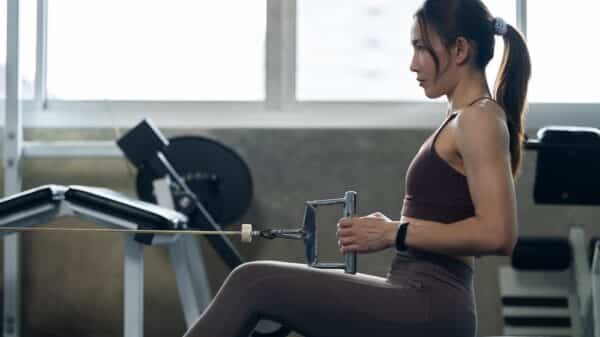
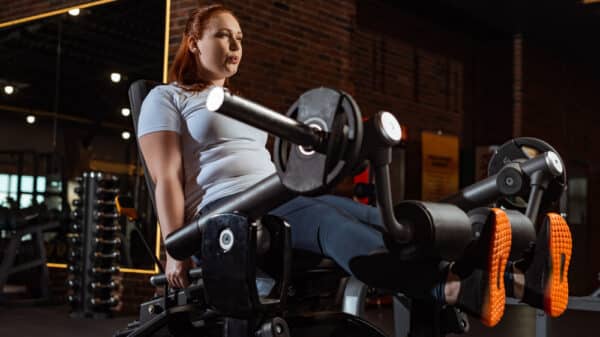
A belt is most effective during heavy compound exercises that place significant axial loading on the spine. This includes squats, deadlifts, overhead presses, and heavy rowing variations. Conversely, wearing a belt for isolation exercises—such as bicep curls, lateral raises, or leg extensions—is generally unnecessary and offers no performance advantage.
Many strength coaches recommend a “top-set” approach. This involves training without a belt for warm-ups and moderate sets, only utilizing the belt for the heaviest 10% to 20% of the session’s workload. This strategy ensures that the deep stabilizing muscles of the core continue to develop and handle loads unassisted, while the belt provides an extra layer of stability for maximal efforts.
Selecting the Right Materials and Dimensions
Choosing the right belt depends on your specific training goals. Powerlifting belts and bodybuilding belts serve different functions based on their construction. For those focused on maximal strength, a stiff leather belt with a uniform width is the industry standard.
For example, high-quality weight belts, such as those offered by Australian supplier Kinta Fitness, often feature 10mm thickness and a 100mm height. These dimensions are standard in competitive powerlifting because they provide a consistent, wide surface area for the entire abdominal wall to press against. Some premium models use layered cowhide and heavy-duty steel buckles for maximum durability.
On the other hand, nylon or neoprene belts are more flexible. These “soft” belts offer a moderate level of support and are often preferred by bodybuilders or CrossFit athletes who require more mobility during high-repetition sets or metabolic conditioning. These models often use a friction lock or velcro system and are typically more affordable than heavy leather options.
Evaluating Different Fastening Systems
The mechanism used to tighten the belt affects both convenience and security. There are three primary types to consider:
- Single-Prong Buckles: These are highly durable and allow for precise adjustments. While they take slightly longer to put on and take off, they are incredibly reliable.
- Lever Belts: These are the most convenient for quick transitions. A lever allows the athlete to flick the belt open between sets instantly. However, adjusting the size usually requires a screwdriver to move the lever plate.
- Velcro Straps: These offer the most customization in terms of tightness and are easy to adjust mid-workout. While they lack the extreme rigidity of leather, they are sufficient for the majority of recreational gym-goers.
Optimizing Placement and Bracing Technique
To get the most out of a belt, it must be positioned correctly. It should sit across the midsection, generally covering the navel, rather than resting low on the hip bones. If the belt is too low, it can interfere with the mechanics of the hips during a squat or deadlift.
The belt should be tight enough to stay in place, but loose enough to allow for a full diaphragmatic breath. If you cannot expand your stomach into the belt, it is likely too tight. During the lift, focus on “belly breathing”—drawing air into the abdomen rather than the chest—and pushing outward against the belt in 360 degrees.
It is also advisable to release the tension between repetitions during long sets. Maintaining peak intra-abdominal pressure for an extended duration can cause excessive fatigue and unnecessary discomfort.
Safety Considerations and Cardiovascular Health
While belts assist with physical performance, they do place stress on the cardiovascular system. The significant rise in internal pressure also causes a temporary but sharp increase in blood pressure. Research has noted marked rises in diastolic blood pressure during belted exertion.
For individuals with a history of hypertension, heart disease, or other cardiovascular concerns, it is vital to consult with a healthcare professional before incorporating a lifting belt into a high-intensity routine.
Summary
A lifting belt is a sophisticated tool designed to enhance spinal stability by maximizing intra-abdominal pressure. It is not a substitute for core strength or proper technique, but rather a supplement for heavy compound lifting. By selecting a belt that matches your training style—whether a rigid 10mm leather belt for powerlifting or a flexible nylon strap for general fitness—and using it strategically on your heaviest sets, you can improve your performance and midsection rigidity. Always prioritize breathing mechanics and remain mindful of the cardiovascular demands associated with heavy, belted lifting.
For the majority of healthy athletes, using a lifting belt is generally safe. However, if you have a history of hypertension, cardiovascular disease, or are currently pregnant, it is essential to consult with a healthcare professional before integrating a belt into your strength training regimen.
Defining the True Purpose of a Weightlifting Belt
A lifting belt should be viewed as a tool to amplify your existing strength rather than a crutch to compensate for a lack of it. Its primary function is to provide a rigid wall for your core to brace against, which increases intra-abdominal pressure and creates a more stable environment for your heaviest lifts.
It is important to understand what a belt cannot do: it will not correct poor lifting mechanics, it will not lead to core muscle atrophy if used strategically, and it is not a fail-safe against injuries caused by improper form. The most effective approach is to master the art of natural bracing—engaging your core muscles independently—before introducing a belt. Once you have built that foundation, use the belt selectively for your most taxing sets and leave it aside for your lighter, preparatory work.
Expert Answers to Common Lifting Belt Queries
Is it appropriate for beginners to use a belt?
Most strength coaches recommend that beginners focus on developing foundational technique and “raw” bracing skills first. By establishing these movement patterns without external assistance, you ensure that the belt becomes a performance enhancer rather than a necessity you depend on for every movement.
Will wearing a belt make my core muscles weaker?
This is a common misconception. As long as the belt is used intentionally for heavy loads, your core remains highly active. The risk of “lazy” core muscles only arises if a lifter wears a belt for every single exercise, including low-intensity warm-ups and accessory movements where the body should be able to stabilize itself naturally.
How should a lifting belt fit for maximum effectiveness?
The belt should be tight enough to stay in place during a lift but loose enough to allow for a full abdominal breath. A reliable rule of thumb is that you should be able to slide your flat hand between the belt and your torso before you begin your brace. If you cannot expand your stomach into the belt, it is likely too tight.
What thickness is best for my training goals?
For those focused on powerlifting or maximum strength, a 10mm thickness is the industry standard, providing significant support for heavy squats and pulls. If your training is more varied or involves higher repetitions and greater mobility, a thinner or more flexible belt may offer a better balance of comfort and support.
Can a belt effectively prevent lower back injuries?
While belts are proven to increase trunk stiffness and intra-abdominal pressure, scientific evidence specifically linking them to a lower rate of injury is limited. A belt provides a physical feedback loop for bracing, but maintaining proper spinal alignment and technical discipline remains your most effective defense against injury.
Which exercises benefit most from a belt?
While primarily associated with squats and deadlifts, a belt can also be beneficial for heavy overhead presses and weighted rows where spinal stability is challenged. Conversely, there is very little benefit to wearing a belt during isolation exercises, such as bicep curls or leg extensions, or during light-weight accessory work.
Summary of Strategic Belt Use
Ultimately, a lifting belt is a sophisticated piece of equipment designed to help you safely push your physical limits. To get the most value out of it, prioritize your technical development first, use the belt as a tactical tool for your highest-intensity sets, and ensure you are choosing a thickness and fit that aligns with your specific athletic goals. When used with intention, a belt is an excellent asset for any serious strength athlete.