












Gelatin is made from the protein collagen, found in the bones, skin, and connective tissue of animals such as pork, beef, or fish. It does not naturally occur in foods the way collagen does, but is added to many foods, particularly as a thickening or texturizing agent.
1. Certain Cuts of Meat
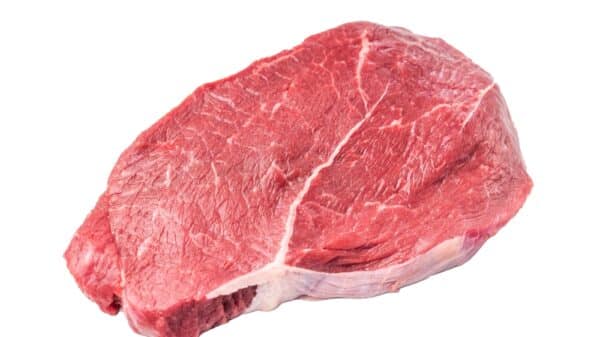
Tough cuts of meat that are high in connective tissue are rich in collagen. These might include:
BrisketPot roast, Chuck steak
While collagen may have some benefits, red meat can also contain high amounts of saturated fat. Too much saturated fat intake can increase your risk of high cholesterol levels and heart disease.
2. Bones and Skin of Fresh and Saltwater Fish
The bones and skin of fresh and saltwater fish contain collagen that can be used to produce gelatin.
3. Bone Broth
Bone broth is made by simmering animal bones for four to 24 hours in water and a small amount of vinegar, which helps dissolve the bone and release the collagen and minerals.
The amount of amino acids and the nutritional values in the broth varies depending on factors like the type of bones used, how long they are cooked, acidity, temperature used to cooked them, and how processed the broth is (such as homemade versus packaged or canned).
Bone broth is easy to digest, making it a common choice to eat during illnesses such as the flu. It contains small amounts of minerals that occur naturally in bone, including:
Calcium, Magnesium, Potassium, Iron, Phosphorus, Sodium, Copper
It also contains some protein from the gelatin, varying from 5 to 10 grams (g) per cup. Bone broth is often marketed as having many health benefits, but most are not backed by research.
Some concerns have been raised that bone broth may contain toxic metals such as lead. However, studies have shown that the amount per serving was still within the amount permitted in drinking water by the Environmental Protection Agency.
4. Gelatin Desserts
One of the most notable uses of gelatin is in the dessert food Jell-O, and its generic equivalents. Gelatin can be used to affect the consistency and texture of a number of jelly-based desserts.
5. Marshmallows
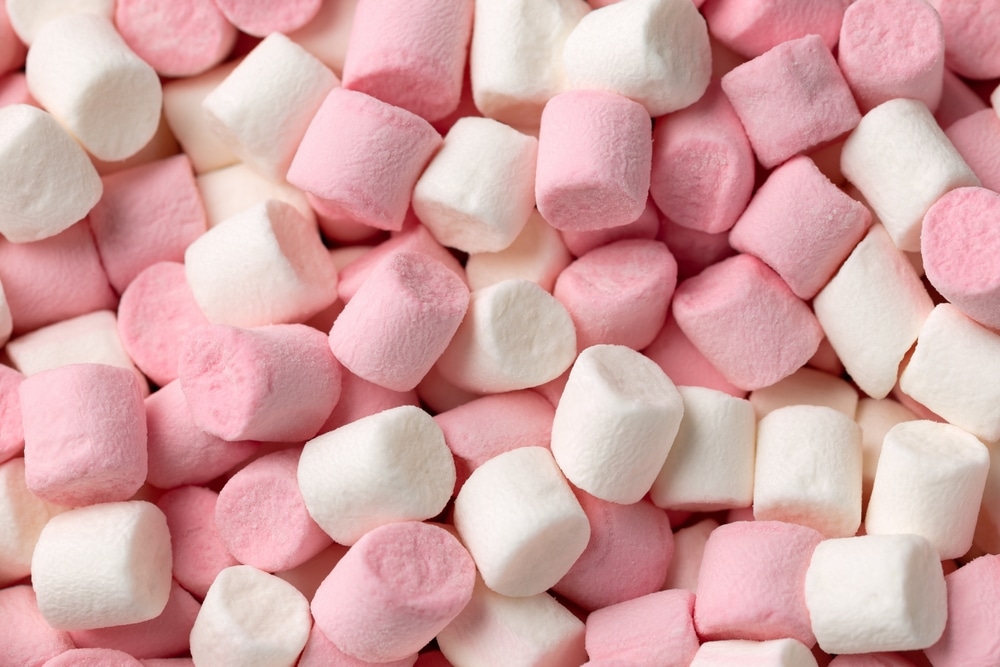
Conventional marshmallows get their signature “feel” from gelatin. Vegan marshmallows also exist which use a non-animal based substitute for gelatin to give them a texture similar to traditional gelatin marshmallows.
6. Gummy Candies
Like Jell-O, candies such as gummy bears, sour keys, and other jelly candies, start out as a liquid and solidify. Gummy candies form a more solid and squishy final product than Jell-O.
7. Fruit Snacks
Many fruit snacks contain gelatin, giving them a similar consistency to gummy candies.
8. As a Thickener, Stabilizer, or Texturizer in Certain Foods
Gelatin may be used as a thickening, stabilizing, or texturizing agent in in many foods, such as some forms of:
MargarineYogurtCream cheeseDairy productsBaked goodsPreserved meatsWineApple ciderFruit juice
Gelatin is also used in some reduced-fat products to mimic the mouth-feel of fat and give the impression of bulk.
Is Gelatin Healthy?
Gelatin has some nutritional value and can be beneficial for your health. However, keep in mind that many sources of gelatin (e.g., desserts, candy) are high in sugar, so it’s best to consume them in moderation.
Benefits of Gelatin
Some gelatins contain amino acids (essential and nonessential) that can help support bodily processes. Gelatin is a good source of protein, providing about 6 g of protein per tablespoon.
There is little credible research to back them, but some health claims that have been made for gelatin include:
Helping with bone and joint healthStrengthening fingernailsImprove skin appearanceSupporting recovery after exercise or sports-related injury
More research is needed before these claims can be said to be accurate.
Protein: 5.99 g
Total Fat: 0.007 g
Calcium: 3.85 milligrams (mg)
Iron: 0.078 mg
Magnesium: 1.54 mg
Phosphorus: 2.73 mg
Potassium: 1.12 mg
Sodium: 13.7 mg
Zinc: 0.01 mg
Copper: 0.151 mg
Manganese: 0.007 mg
Selenium: 2.76 micrograms (µg)
Folate, Total: 2.1 µg
Riboflavin: 0.016 mg