









Several herbal supplements can modestly lower cholesterol levels. Some may have less serious side effects than prescription cholesterol medications.
1. Red Yeast Rice
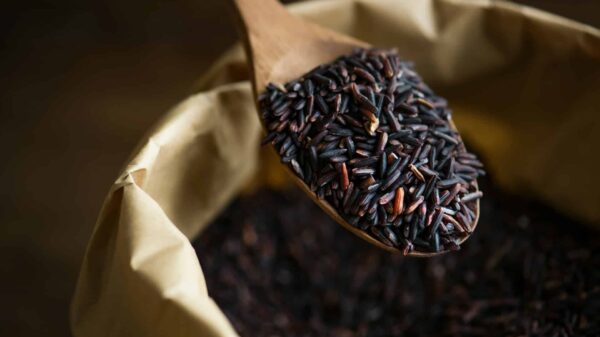
Red yeast rice (RYR) is an herbal medicine that contains monacolin K, a chemical with the same structure as the prescription cholesterol medicine lovastatin.
How it works: Blocks the production of cholesterol in the body.
Effects on cholesterol: Lowered low-density lipoprotein (e.g., “bad” cholesterol, or LDL) by 15% to 25% within two months—similar effect as low-dose statins (e.g., pravastatin, simvastatin, or lovastatin).
Side effects: Headache, dizziness, gastrointestinal issues, skin rashes, muscle cramps, and pain.
Dosage studied: 200 to 2400 milligrams (mg) daily.
Best for: An alternative to statins for people with mild or moderately high cholesterol levels.
Types of Cholesterol
LDL: Can cause plaque build-up in the blood vessels of your heart (arteries), leading to heart disease or stroke.
High-density lipoprotein (e.g., “good” cholesterol, or HDL): Protects the heart by transporting cholesterol to the liver for removal from the body.
Total cholesterol: Sum of LDL and HDL.
2. Garlic
Garlic is a pungent spice that can boost heart health by lowering cholesterol, blood pressure, and swelling (inflammation).
How it works: Exact effect is unknown, but thought to be due to one of garlic’s active ingredients, allicin.
Effects on cholesterol: Reduced total cholesterol by 5% and LDL by 6% in people with high levels.
Side effects: Upset stomach, nausea, rash, bad breath, body odor.
Dosage studied: 600–2,400 mg per day of garlic powder.
Best for: Preventing high cholesterol, or for people with mildly elevated cholesterol plus high blood pressure.
3. Guggulu
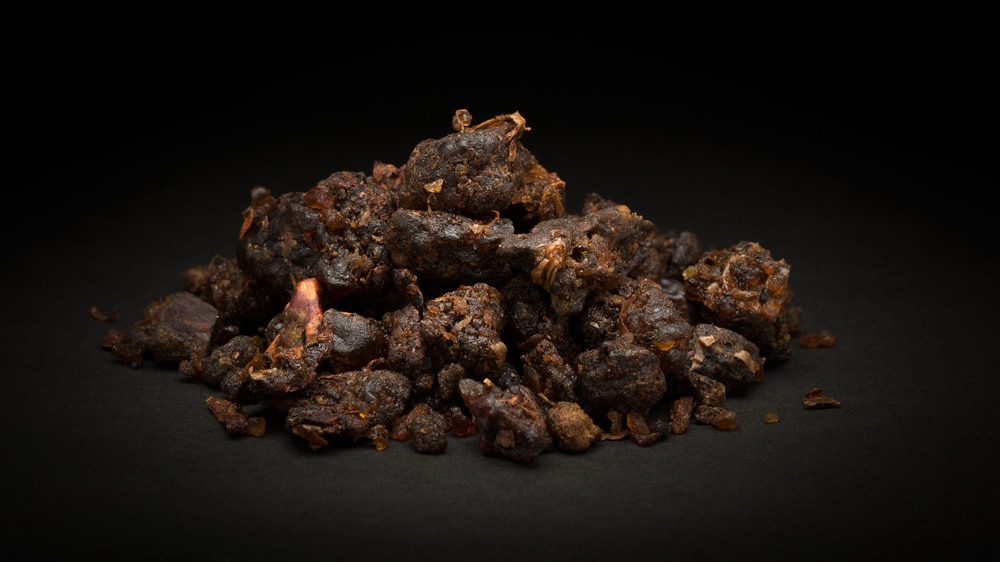
Guggulu is a yellow resin produced from the bark of Commiphora mukul trees that has traditionally been used in Ayurvedic medicine.
How it works: Helps remove cholesterol from the body.Effects on cholesterol: Reduced total cholesterol by 6.5% and LDL by 10%. Also reduced triglycerides (fats from dietary sources like butter and oils) and increased HDL. Side effects: Diarrhea, rash, headache.Best for: As a potential add-on to prescription medication, or for people seeking to prevent high cholesterol. Check with your healthcare provider before using any supplements, especially if you’re on medication.
4. Artichoke
Like bergamot, artichoke is an important part of the heart-healthy Mediterranean diet.
Effects on cholesterol: Lowered LDL by 6 to 10%.
Side effects: Stomach pain.
Dosage studied: 500 to 1800 mg per day.
Best for: People with mild or moderately high cholesterol who also have metabolic syndrome or fatty liver, or who are unable to take statins.
5. Black Cumin
Black cumin (Nigella sativa) is a spice historically used to aid digestion.
How it works: Blocks cholesterol production in the body.Effects on cholesterol: Lowered total cholesterol and may lower LDL, but more research is needed.Side effects: Nausea, bloating, and, rarely, changes in liver or kidney function.Dosage studied: 500 mg to 2 grams (g) per day.Best for: Consider as an add-on to prescription medicine until more data is available, but check with your healthcare provider first before using.
6. Fenugreek
Fenugreek is an herb with a maple-syrup-like flavor that is commonly used to help control blood sugar or boost breastmilk production.
How it works: Fibers in fenugreek bind to cholesterol, helping the body convert it into bile acids, which the body then removes.
Effects on cholesterol: Reduced LDL by 7%.
Side effects: Nausea, diarrhea, low blood sugar (hypoglycemia), allergic reactions.
Best for: People with mild or modestly high cholesterol who also have type 2 diabetes, since fenugreek also lowers blood sugar.
Herbal Supplements vs. Statins
Statin medications are first-line therapy for treating high cholesterol. These medicines reduce the body’s cholesterol production.Statins can lower LDL by up to 60%, making them much more effective than most herbal supplements.Because high cholesterol is associated with risks to your heart, discuss the use of herbal supplements with your healthcare provider before self-treating.