













Milk is an excellent source of calcium (300 mg in one cup) to keep your bones healthy, but it’s not the only way you can meet your calcium needs. High-calcium vegetables, proteins, and dairy products offer choices beyond cow’s milk, whether you eat meat (an omnivore), avoid red meat, or eat a plant-based diet.
1. Yogurt
Calcium: 488 milligrams (mg)Serving size: 1 cup
One cup of plain nonfat yogurt contains considerably more calcium than one cup of cow’s milk. Low-fat yogurt is not far behind, with 448 mg per cup. Be aware that Greek yogurt has less calcium, with about 270 mg per cup.
Yogurt also contains higher amounts of other important minerals and nutrients than a comparable serving of milk, including:
ZincPotassiumMagnesiumProteinProbiotics
How Much Calcium Is Needed Per Day?
For most adults, the recommended dietary allowance (RDA) of calcium is 1,000 milligrams (mg) daily. The exact daily amount depends on age and sex:
Male and female, from 19 to 50 years old: 1,000 mgMales 51 to 70: 1,000 mgFemales 51 to 70: 1,200 mgMales and females over 70: 1,200 mg
2. Soybeans
Calcium: 504 mgServing size: 1 cup
Raw, green soybeans have a high calcium content. This is about half the RDA for most adults and significantly more than a cup of cow’s milk.
However, soybeans are often boiled before eating, increasing their volume. As a result, it takes about 1 1/4 cups of cooked green soybeans to equal the calcium in 1 cup of milk. They are also rich in protein and high in fiber.
3. Firm Tofu
Calcium: 506 mgServing size: 1 cup
The amount of calcium in tofu, which is made from soybeans, varies according to the brand and how it was prepared, so read the labels carefully. Tofu can be an excellent source of calcium. If calcium sulfate is used to firm up the soy milk into tofu curd, it can contain as much as 506 mg per cup.
4. Collard Greens
Calcium: 324 mgServing size: 1 cup
Leafy green vegetables can be good sources of calcium, and collard greens are a particularly good choice. A cooked cup of collards contains 324 mg of calcium.
These cruciferous vegetables (in the same family as kale and broccoli) also contain almost 600% of the daily adequate intake of vitamin K per cup, and significant amounts of vitamins B6 and C, iron, and magnesium.
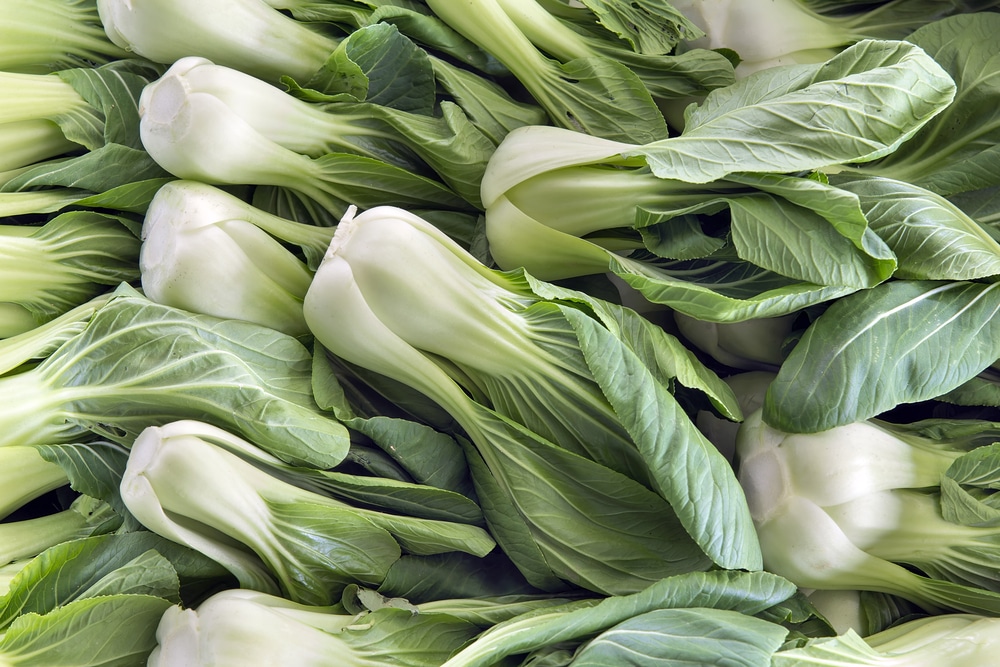
5. Bok Choy
Calcium: 158 mgServing size: 1 cup
A cup of cooked, shredded bok choy has about half of the calcium in a cup of milk (158 mg). But the body absorbs calcium from bok choy much better than the calcium from milk, making a cup of each equivalent for how much calcium is absorbed.
The opposite is true with spinach. While cooked spinach has 245 mg of calcium per cup, it also contains oxalates, which bind to calcium and reduce its absorption.
6. Dried Figs
Calcium: 241 mgServing size: 1.25 cup
A cup of dried figs contains about 241 mg of calcium, more than many fruits. It takes 10 ounces (1.25 cups) to equal the calcium in a glass of milk.
Dried fruit can be high in calories, though. A cup of dried figs contains about 413 calories and has 71 grams of sugar. If you are adding about 2 ounces of dried figs to a salad, appetizer, or meal, you will still get 60 mg of calcium, which can help boost your daily calcium intake total.
7. Ricotta Cheese
Calcium: 669 mgServing size: 1 cup
Part-skim milk ricotta cheese delivers 669 mg of calcium per cup or 337 mg for a half cup, which has 171 calories. Whole milk ricotta cheese contains 578 mg of calcium, almost twice as much as a cup of milk. A half cup, with 289 mg, is almost equal to a cup of milk, and contains 204 calories.
8. Canned Sardines
Calcium: 351 mgServing size: 3.75 oz
Canned sardines contain 351 mg of calcium in a 3.75-oz serving per can. The same size can of sardines also contains 22.6 grams of protein and is high in the healthy omega-3 fatty acids.
Sardines that contain tiny, edible bones tend to be higher in calcium. Read the labels to see how much calcium a given brand of canned sardines contains—it can vary according to processing and what liquid the sardine is in, which could be water, oil, or tomato sauce.
9. Canned Salmon
Calcium: 168 mgServing size: 3 ounces
A 3-ounce can of sockeye salmon contains about 168 mg of calcium. You will need two cans to provide more calcium than 1 cup of milk. The calcium level is boosted in canned salmon (as it is in sardines) due to the soft, tiny bones that are left in during processing. They are completely edible and unlikely to be noticeable.
By comparison, a 3.5-ounce serving of fresh sockeye salmon contains just 15 mg of calcium. Farm-raised Atlantic salmon has even less calcium, at 9 mg per 3.50-ounce serving. When choosing salmon, take into consideration the high sodium content that is often in canned fish, as well as the calcium levels.
10. Fortified Plant-Based Milk
Calcium: 422 mgServing size: 1 cup
Calcium can be added to plant-based milks during processing. If they have not been fortified, the amount of calcium will likely be lower and homemade plant-based milks are likely to be lower still in calcium than manufactured milks.
Brands will vary, so it’s important to check labels. The U.S. Department of Agriculture’s (USDA) FoodData Central has recorded these values for some fortified plant-based milks:
Almond milk: 422 mg of calcium per cup, more than 100 mg higher than a cup of cow’s milk.
Oat milk: 338 mg of calcium per cup, somewhat higher than cow’s milk.
Soy milk: Close to 400 mg of calcium per cup, depending on the brand.
11. Fortified Orange Juice
Calcium: 350 mgServing size: 1 cup
Fortified juice has calcium and other nutrients added during processing. One cup of fortified orange juice has about 350 mg of calcium, more than one-third of the RDA.
Fresh orange juice that is not fortified contains far less calcium than fortified. A cup of fresh juice contains an estimated 27 mg of calcium.
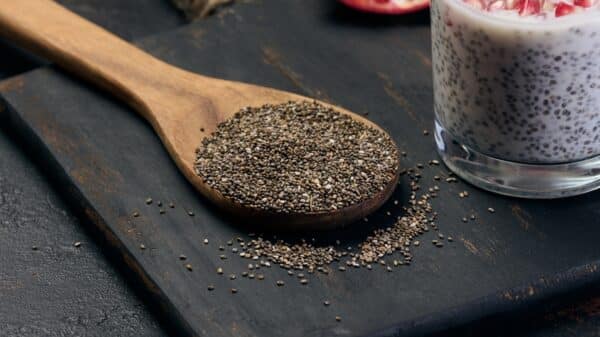
12. Chia Seeds
Calcium: 595 mgServing size: 100 grams
Chia seeds are packed with calcium: 100 grams, which is about 0.67 cups, contain 595 mg, nearly twice that of a cup of cow’s milk. You are not likely to eat that many chia seeds in one sitting, but if you sprinkle 1 ounce (one-eighth cup) onto other foods or include that amount in a recipe, it delivers almost 150 mg of calcium.
Other nutrients for 100 grams of chia seeds include 32 grams of fat, 17 grams of protein, and 517 calories.